Table of Contents
You don’t need to abandon your favorite workouts just because you have a menstrual cycle. Understanding how your body changes throughout your cycle and learning simple modifications can help you maintain your fitness routine while honoring what your body needs during different phases. This guide will show you exactly how to adapt popular exercises to work with your hormones, not against them.
Understanding Your Exercise Capacity Throughout Your Cycle
Follicular Phase (Days 1-14): Rising Energy During the first half of your cycle, estrogen gradually increases, typically making you feel stronger and more energetic. This is often when you can handle higher intensity workouts and may even set personal records.
Ovulation (Around Day 14): Peak Performance Many people experience their highest energy and strength around ovulation when estrogen peaks. This is an ideal time for challenging workouts or trying new exercises.
Luteal Phase (Days 15-28): The PMS Window After ovulation, progesterone rises while estrogen fluctuates, leading to the symptoms we associate with PMS. Your body may feel different, require more recovery time, and respond better to gentler approaches.
Menstruation (Days 1-5): Variable Energy Some people feel depleted during their period, while others experience a return of energy as hormones reset. The key is listening to your body rather than following rigid rules.
Cardio Modifications for Every Phase
Running and Jogging
High-Energy Phases (Follicular/Ovulation)
- Maintain your regular pace and distance
- Great time for interval training or tempo runs
- Consider adding hill work or speed intervals
- Your perceived exertion may be lower, allowing for longer runs
PMS Phase Modifications
- Reduce pace by 30-60 seconds per mile
- Shorten distance by 20-30% if needed
- Focus on steady, comfortable effort rather than speed
- Choose flat routes over hills to reduce strain
- Consider run-walk intervals if energy is low
Period Phase Adaptations
- Listen to your body – some days walking might be better
- Shorter, easier runs (15-20 minutes max)
- Focus on movement and mood benefits rather than performance
- Indoor treadmill might feel more comfortable than outdoor runs
High-Intensity Interval Training (HIIT)
High-Energy Phases
- Full intensity with normal work-to-rest ratios
- Try new, challenging interval formats
- Push your limits with confidence
PMS Phase Modifications
- Reduce work intervals by 25-30% (e.g., 30 seconds instead of 45)
- Increase rest periods by 50% (e.g., 45 seconds instead of 30)
- Lower the intensity to “comfortably hard” rather than all-out
- Choose low-impact movements over high-impact jumping
Period Phase Adaptations
- Replace with moderate-intensity steady cardio
- If doing HIIT, make it very gentle (walking intervals instead of running)
- Focus on movements that feel good rather than challenging
Cycling and Spin Classes
High-Energy Phases
- Regular resistance and cadence
- Tackle challenging climbs and sprints
- Full class participation
PMS Phase Modifications
- Reduce resistance by 20-30%
- Maintain comfortable cadence, skip high-intensity sprints
- Take extra breaks during challenging segments
- Focus on smooth, rhythmic movement
Period Phase Adaptations
- Easy, flat rides only
- Seated position mostly (standing may worsen cramps)
- Gentle movement for circulation without intensity
Strength Training Adaptations
Weight Lifting
High-Energy Phases
- Your normal weights and rep ranges
- Great time to attempt personal records
- Add extra sets or try heavier weights
- Your strength may actually be enhanced
PMS Phase Modifications
- Reduce weights by 10-20%
- Increase rest periods between sets
- Focus on form and control rather than heavy lifting
- Consider higher reps with lighter weights
- Skip exercises that worsen bloating (heavy squats, deadlifts)
Period Phase Adaptations
- Bodyweight exercises or very light weights only
- Focus on mobility and gentle movement
- Avoid exercises that increase abdominal pressure if cramping
Popular Exercise Modifications
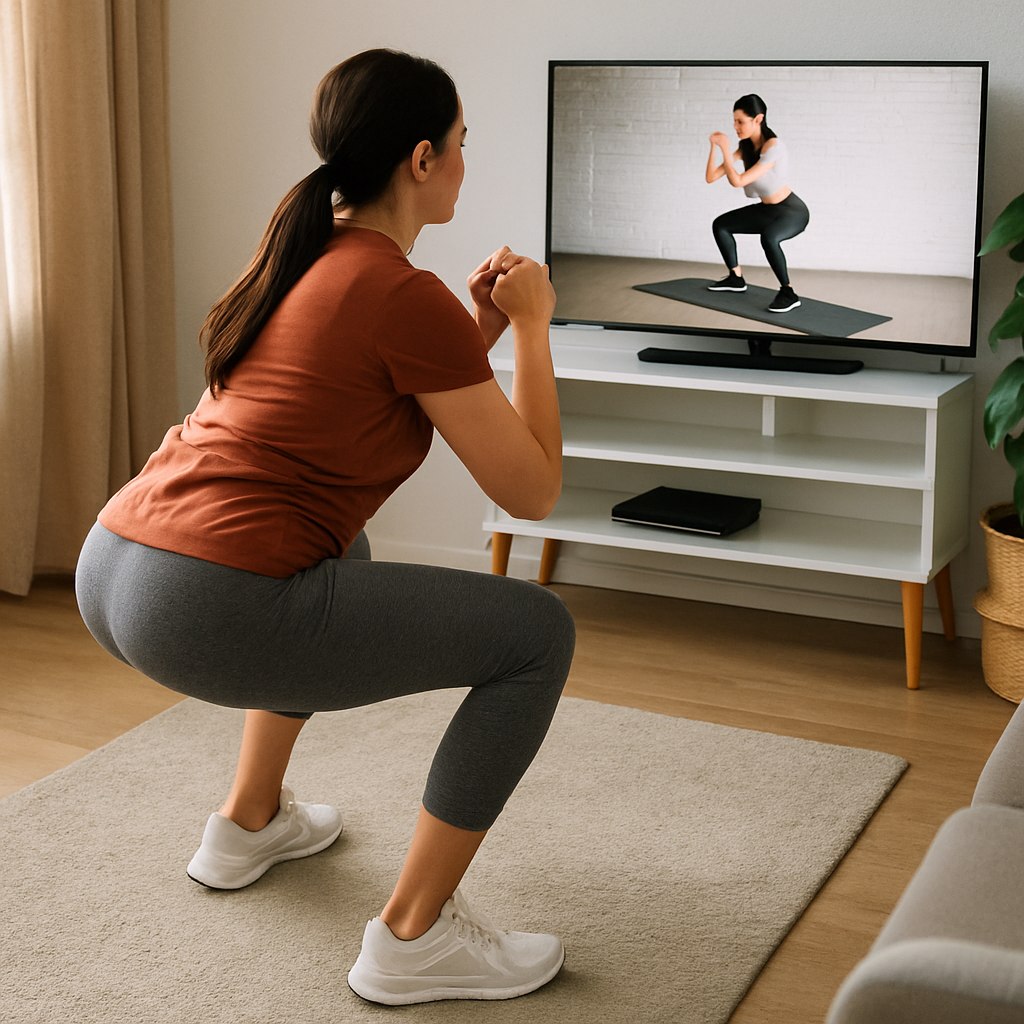
Squats
- High Energy: Full range, add weight, try jump squats
- PMS: Bodyweight or light weights, slower tempo, wall sits instead of jump squats
- Period: Chair-supported squats, partial range of motion if cramping
Push-ups
- High Energy: Full push-ups, add variations like diamond or decline
- PMS: Incline push-ups, knee push-ups, slower tempo
- Period: Wall push-ups, focus on gentle chest opening
Planks
- High Energy: Hold for full time, add variations
- PMS: Shorter holds, knee planks, side planks against wall
- Period: Skip if cramping, replace with gentle core breathing exercises
Burpees
- High Energy: Full burpees with jump
- PMS: Step back instead of jump back, remove the jump at top
- Period: Replace entirely with gentle mountain climbers or marching in place
Yoga and Flexibility Modifications
Power Yoga and Vinyasa
High-Energy Phases
- Full flows with challenging poses
- Hold poses for longer periods
- Add arm balances and inversions
PMS Phase Modifications
- Slower, gentler flows
- Hold poses for shorter periods
- Skip or modify inversions if they feel uncomfortable
- Add more child’s pose breaks
Period Phase Adaptations
- Restorative yoga focus
- Avoid deep twists if cramping
- Gentle hip openers and heart opening poses
- Longer relaxation periods
Specific Pose Modifications
Inversions (Headstand, Shoulderstand)
- High Energy: Full inversions if practiced
- PMS/Period: Legs up the wall, gentle inversions, or skip entirely based on comfort
Core Work
- High Energy: Full boat pose, challenging ab work
- PMS: Gentle core breathing, modified poses
- Period: Skip intense ab work, focus on gentle back support
Hip Openers
- All Phases: Generally beneficial, but listen to your body
- PMS/Period: Often feel especially good for relieving tension
Group Fitness Class Modifications
Boot Camp/CrossFit Style Classes
High-Energy Phases
- Participate fully in all exercises
- Use prescribed weights and reps
- Push your limits
PMS Phase Modifications
- Scale weights down by 20-30%
- Take extra rest as needed
- Modify high-impact movements to low-impact
- Focus on completion rather than competition
Period Phase Adaptations
- Inform instructor of modifications needed
- Replace jumping movements with stepping
- Use lightest weights available
- Take breaks whenever needed
Dance Fitness
High-Energy Phases
- Full energy, big movements
- Add your own style and intensity
PMS Phase Modifications
- Smaller range of motion
- Focus on rhythm rather than intensity
- Take water breaks more frequently
Period Phase Adaptations
- Gentle swaying and movement
- Focus on fun rather than workout intensity
- Leave early if needed
Swimming Modifications
High-Energy Phases
- Regular lap swimming, all strokes
- Interval training in the pool
- Water aerobics with full intensity
PMS Phase Modifications
- Easier strokes (breaststroke instead of butterfly)
- Shorter swimming sessions
- More walking in water, less intense swimming
Period Phase Adaptations
- Gentle water walking
- Easy floating and stretching in water
- Use tampons or menstrual cup for comfort
Creating Your Personal Modification Plan
Track Your Patterns
Energy Levels Keep a simple 1-10 energy rating in your workout log to identify your personal patterns.
Exercise Response Note which exercises feel good or challenging during different phases.
Symptom Correlation Track how different types of exercise affect your PMS symptoms.
Build Your Modification Toolkit
Go-To Replacements
- High-impact → Low-impact alternatives
- Heavy weights → Bodyweight or light weights
- Long workouts → Shorter sessions
- Intense → Gentle and restorative
Emergency Alternatives Have a list of 10-minute gentle routines for days when your regular workout feels impossible.
Communication Strategies
With Trainers
- Explain that you may need modifications on certain days
- Ask for alternative exercises in advance
- Don’t feel obligated to explain in detail
With Workout Partners
- Let them know you might need to modify pace or intensity
- Plan alternative activities for low-energy days
With Yourself
- Permission to modify doesn’t mean you’re weak
- Consistency matters more than intensity
- Working with your body builds long-term fitness success
Nutrition and Hydration Adjustments
Pre-Workout Fuel
- PMS phase: Focus on stable blood sugar with protein and complex carbs
- Period phase: Lighter snacks, extra hydration
Post-Workout Recovery
- PMS phase: May need extra protein and longer recovery time
- Period phase: Gentle stretching and hydration priority
Hydration Needs
- Increase fluid intake during PMS and menstruation
- Add electrolytes if experiencing bloating or headaches
Signs to Scale Back Further
Physical Warning Signs
- Unusual fatigue that doesn’t improve with gentle movement
- Joint pain or increased injury susceptibility
- Dizziness or nausea during exercise
Emotional Indicators
- Exercise increases stress rather than relieving it
- Feeling overwhelmed by your usual routine
- Anxiety about performance or appearance
When to Rest Completely
- Severe cramping that worsens with movement
- Heavy bleeding that makes exercise impractical
- Migraine headaches
- Extreme mood changes that make group exercise uncomfortable
Long-Term Benefits of Cycle-Aware Training
Reduced PMS Symptoms Regular, appropriate exercise throughout your cycle can decrease the severity of PMS symptoms over time.
Better Body Awareness Learning to modify workouts helps you develop a deeper understanding of your body’s needs and capabilities.
Sustainable Fitness Working with your cycle rather than against it creates a more sustainable, enjoyable fitness routine.
Improved Performance Taking advantage of high-energy phases while respecting low-energy times can actually improve your overall fitness progress.
Sample Weekly Modifications
Week 1-2 (Follicular Phase)
- Monday: Full intensity strength training
- Wednesday: Challenging cardio or HIIT
- Friday: Power yoga or intense group class
- Weekend: Long runs, hikes, or adventurous activities
Week 3-4 (Luteal/PMS Phase)
- Monday: Moderate strength training (reduce weights 20%)
- Wednesday: Gentle cardio or yoga flow
- Friday: Restorative yoga or light stretching
- Weekend: Nature walks, gentle swimming, or easy bike rides
Moving Forward with Confidence
Remember that these are guidelines, not rules. Your experience may be different from month to month, and that’s completely normal. The goal is to maintain movement and fitness while honoring your body’s changing needs.
Some months you might feel strong throughout your entire cycle, while others require more modifications. Both experiences are valid, and flexibility in your approach will serve you better than rigid adherence to any plan.
Start by tracking your energy and symptoms for 2-3 cycles to identify your personal patterns. Then gradually implement modifications, beginning with the changes that feel most intuitive to your body.
Most importantly, view these modifications not as limitations, but as intelligent adaptations that allow you to maintain consistent exercise habits throughout your entire cycle. This approach often leads to better long-term fitness results and a more positive relationship with both exercise and your menstrual cycle.
Your cycle is not an obstacle to fitness – it’s valuable information that can help you optimize your training and feel better in your body year-round.