Table of Contents
I remember the first time I burst into tears because couldn’t choose what to eat for dinner and the real reason pms brings tears. It wasn’t really about food. It was the flood of emotion that hit me a week before my period. Back then, I didn’t understand what my body was trying to tell me. Once I learned about hormonal changes and how they affect mood, everything started making sense.
If you’ve ever felt weepy, irritable, or overly sensitive before your period, you are not overly emotional. You are cyclical. Your hormones shift every month and those fluctuations affect how your brain and body communicate. Once you understand why this happens, it’s easier to respond with kindness instead of guilt.
When I began tracking my cycle, I noticed a rhythm. A few days before my period, I felt more anxious, nostalgic, and easily overwhelmed. But once I started aligning my nutrition, rest, and exercise with my hormonal phases, those emotional dips softened.
The Hormones Behind PMS Mood Swings
The week before your period is known as the luteal phase. This is when your body prepares for a possible pregnancy. Estrogen and progesterone rise and then fall sharply if fertilisation doesn’t happen. That hormonal crash directly affects brain chemistry.
Estrogen normally boosts serotonin, the neurotransmitter that helps you feel calm and content. When estrogen drops, serotonin drops too. Progesterone, which has a calming effect, can either soothe or irritate the nervous system depending on your sensitivity.
Here’s what that looks like inside your body:
| Hormone | What It Does | How It Affects Mood |
| Estrogen | Boosts serotonin and energy | A drop can lead to sadness or irritability |
| Progesterone | Calms the nervous system | Fluctuations can cause anxiety or fatigue |
| Cortisol | Regulates stress response | Increases when you’re sleep deprived or overwhelmed |
| Serotonin | Balances mood and sleep | Decreases when estrogen is low |
That’s why emotions often swing so wildly before your period. One moment you feel fine, and the next you’re crying because your partner didn’t text back. It’s not weakness, it’s chemistry. Once you recognise that pattern, you can prepare instead of being blindsided.
PMS vs PMDD: When It’s More Than “Just Hormones”
Most women experience PMS, but a smaller number face something stronger called PMDD, or premenstrual dysphoric disorder. PMDD is not “extra PMS.” It’s a clinical condition where the brain reacts more intensely to hormonal changes.
The difference lies in severity and impact. PMS might cause mild sadness, bloating, or irritability. PMDD can cause deep depression, anger, or hopelessness that interferes with work or relationships.
If you notice symptoms that last more than ten days or disrupt your life, it’s time to speak with a healthcare provider. PMDD can be treated with therapy, medication, or lifestyle changes. Understanding that your brain chemistry is reacting differently can help you find real solutions instead of blaming yourself.
Why You Might Cry So Easily (Even When Nothing’s Wrong)
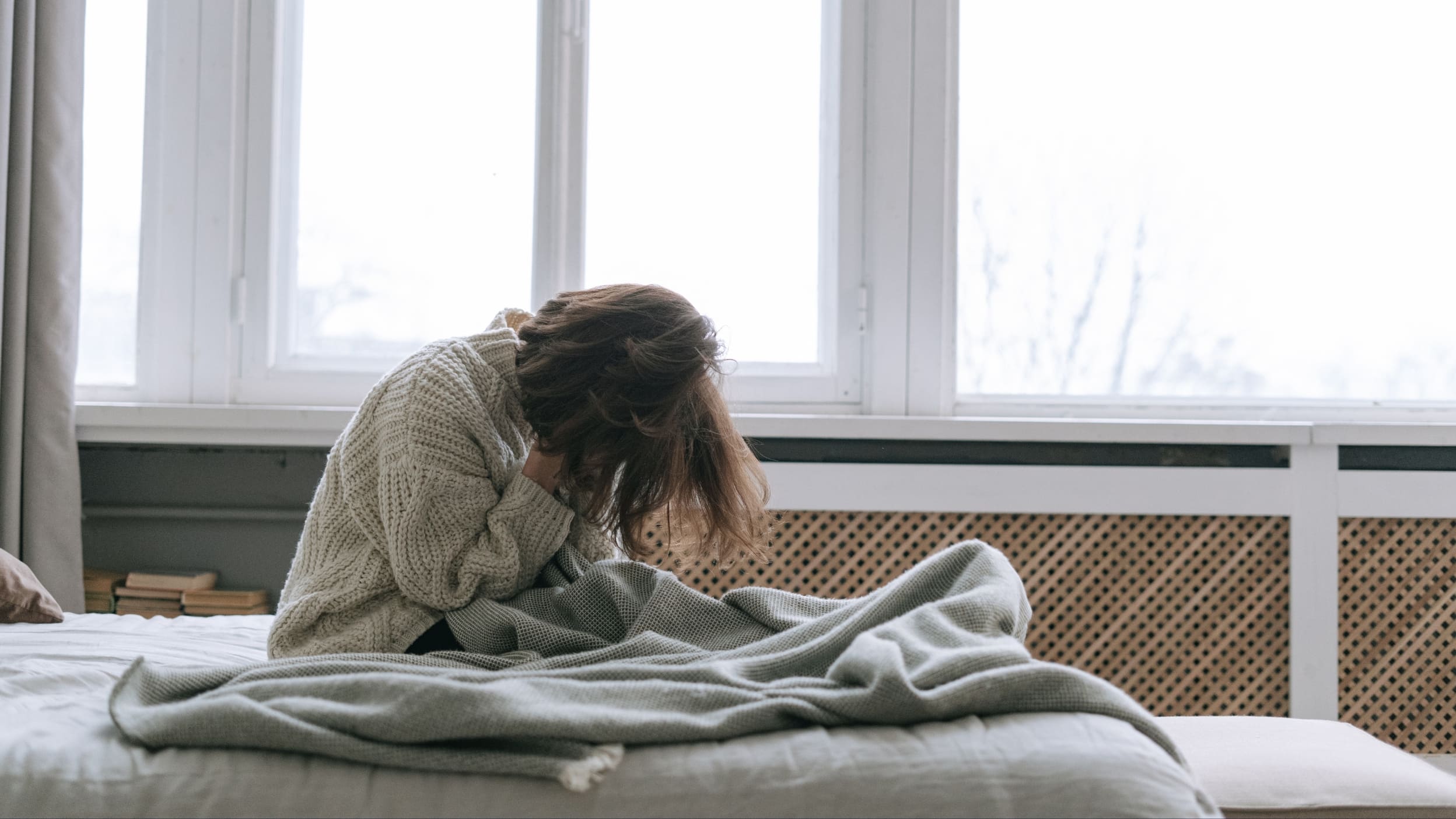
Crying before your period is not irrational. It’s a release. When hormones drop, your emotional threshold lowers. You might find yourself crying at an ad, snapping over small things, or feeling waves of sadness without a clear reason.
These reactions happen because estrogen and progesterone influence serotonin, dopamine, and GABA all linked to mood regulation. When they shift, your brain temporarily loses some of its emotional balance.
Other factors amplify this effect. Stress, poor sleep, and nutrient deficiencies like low magnesium or B6 make it worse. I’ve seen clients completely change their premenstrual experience by improving their sleep and balancing their meals.
Sometimes crying is your body’s way of asking for rest or connection. Once you start listening, you can respond with care instead of frustration.
How Lifestyle Affects Your Emotional Health Before Your Period
The luteal phase magnifies what’s already going on in your life. If you’re overworked, undernourished, or constantly stressed, you’ll feel it ten times more during this phase.
Here are some lessons I’ve learned personally and through clients.
1. Stabilise your blood sugar.
Skipping meals or eating too many refined carbs causes sugar crashes that increase irritability. Aim for balanced meals with protein, healthy fats, and slow carbs.
2. Protect your sleep.
Progesterone can disrupt sleep later in the luteal phase. Try consistent bedtime routines, lower light exposure, and limit caffeine after lunch.
3. Exercise gently.
This is not the best time for intense workouts. Instead, move in ways that feel restorative such as yoga, stretching, or walking. Gentle activity supports serotonin and lowers cortisol naturally.
4. Set emotional boundaries.
You may feel more sensitive or empathetic during this phase. Avoid scheduling too many social events or draining meetings. Prioritise calm and connection over stimulation.
Foods, Supplements, and Habits That Help Balance Mood
Food truly is information for your hormones. What you eat affects how your brain and body communicate.
Here are some nutrients that help with mood balance before your period.
| Nutrient | Role | Best Sources |
| Magnesium | Relaxes muscles and reduces anxiety | Pumpkin seeds, dark chocolate, spinach |
| Vitamin B6 | Supports serotonin production | Chickpeas, tuna, bananas |
| Omega 3s | Reduces inflammation and stabilises mood | Salmon, flaxseeds, walnuts |
| Calcium | Reduces irritability and cramping | Yogurt, kale, sesame seeds |
| Iron | Prevents fatigue and brain fog | Lentils, beef, spinach |
Habits that make a real difference include mindful breathing, avoiding excess sugar and alcohol, staying hydrated, and getting daily sunlight. These small changes strengthen your emotional resilience over time.
Many women find magnesium glycinate especially helpful for reducing tension and improving sleep. I’ve also seen success with evening journaling, where you write down how you feel without judgment. It helps release emotional buildup before it turns into overwhelm.
When to Seek Support Without Feeling Weak
Sometimes PMS emotions are manageable. Other times they become heavy and difficult to carry alone. If you notice that crying spells or sadness are constant, or if you lose interest in things you usually enjoy, talk to a healthcare professional.
You don’t have to struggle in silence. I’ve had clients who felt immediate relief after speaking to a therapist or getting hormone testing. The first step is acknowledging that what you’re feeling deserves attention.
Crying before your period is not a flaw. It’s feedback from your body. Listening to it doesn’t make you fragile, it makes you self aware.
FAQs about The Real Reason PMS Brings Tears
Is it normal to cry before my period?
Yes. Hormonal changes in your luteal phase affect neurotransmitters like serotonin and GABA, making you more emotionally sensitive.
How can I stop feeling down before my period?
Focus on steady blood sugar, consistent sleep, and gentle exercise. Magnesium and vitamin B6 can help stabilize mood naturally.
How do I know if it’s PMS or PMDD?
If your symptoms last more than ten days or disrupt your daily life, speak with your doctor. PMDD involves more severe mood changes and may require professional treatment.
Final thoughts
The more I’ve learned about hormones, the more compassion I’ve found for myself and other women. We are not inconsistent; we are rhythmic. Our bodies move in cycles that shape how we think, feel, and act.
Crying before your period isn’t a sign of weakness. It’s your body asking for awareness. When you understand your hormones, you can prepare instead of reacting. You learn to rest when you need to, nourish yourself when you’re depleted, and trust that every emotion has purpose.
When you work with your cycle instead of fighting it, everything feels lighter. You stop seeing your emotions as problems and start recognising them as messages. That’s what emotional care truly means listening to your body’s wisdom and treating it with respect.