Table of Contents
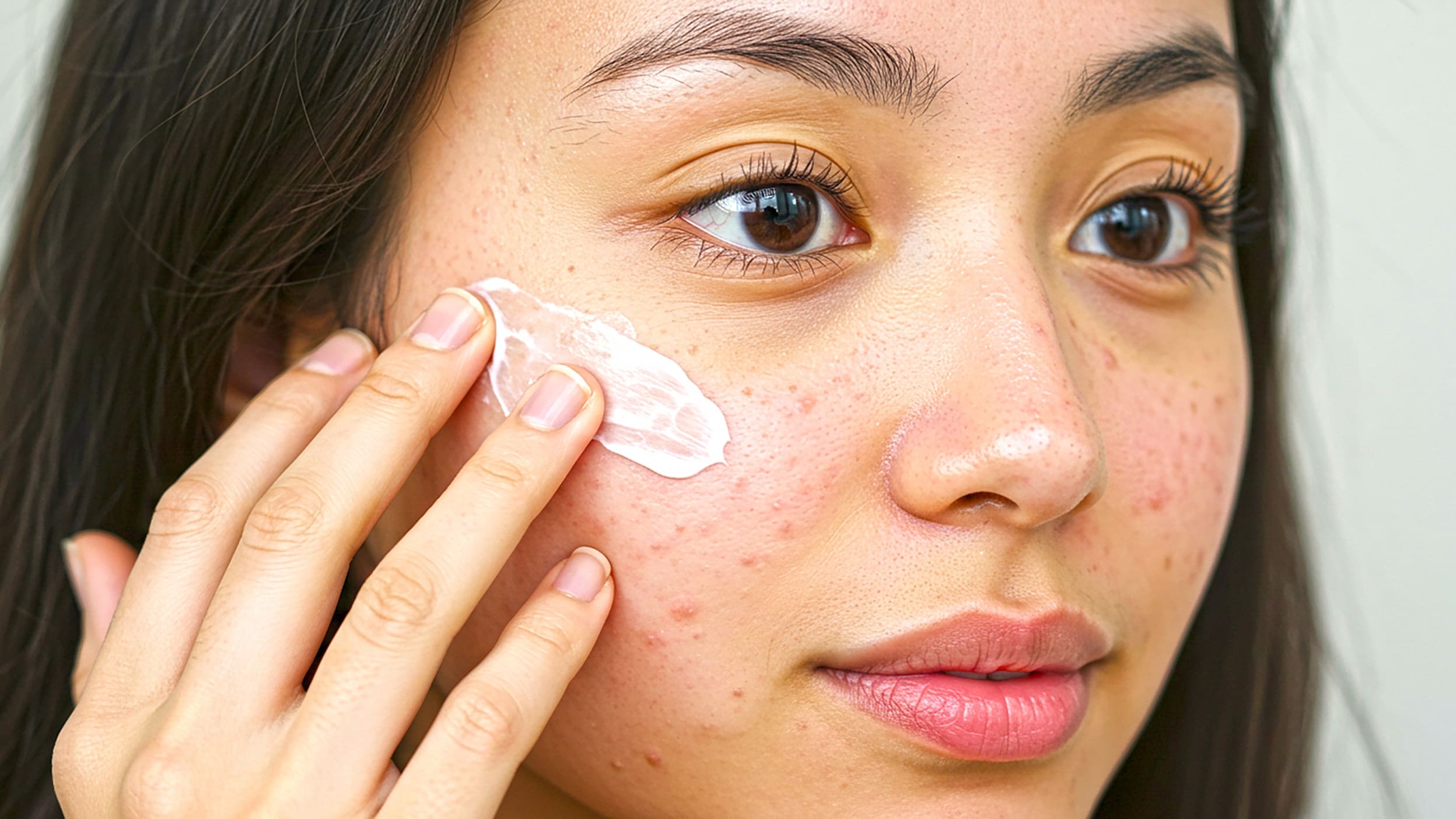
If your skin seems to have a secret schedule of its own breaking out right before your period, glowing mid cycle, Manage PMS Acne and Skin Changes and drying out just when you start to feel normal again you’re not imagining it. I used to swap skincare products constantly, trying to “fix” my breakouts, dryness, and dullness without understanding that my hormones were actually running the show.
Your menstrual cycle doesn’t just affect your mood or energy, it affects your skin too. Once I began tracking my hormonal phases, the pattern became obvious. I wasn’t dealing with random skin issues; I was dealing with predictable hormonal shifts that affected oil production, hydration, and inflammation. That insight changed everything about how I cared for my skin.
Why PMS Acne Happens (And Why It Feels So Unfair)
There’s nothing quite like waking up to a breakout right before your period. It feels personal, doesn’t it? But it’s not about bad luck, it’s biology.
During the luteal phase (roughly two weeks before your period), estrogen levels drop and progesterone rises. This combination increases oil production and can clog pores. Add in the relative rise of testosterone, and you get the perfect recipe for hormonal acne especially around the chin, jawline, and lower cheeks.
In my experience, this type of breakout feels different from a regular pimple. It’s deeper, more inflamed, and slower to heal. I’ve worked with women who describe their PMS breakouts as “emotional acne” because they often appear just when stress and fatigue are already high. Understanding that your skin isn’t misbehaving it’s responding helps shift your approach from frustration to strategy.
What’s Going On With Hormones in the Luteal Phase
Here’s what’s really happening during the luteal phase: after ovulation, your body produces progesterone to prepare for a potential pregnancy. This hormone increases sebum (oil) production, which can make your skin feel thicker or oilier. Meanwhile, estrogen, the hormone that gives you that hydrated, glowing look, drops significantly.
To simplify it, here’s how your skin tends to behave across the month
| Phase | Hormonal Changes | Skin Impact |
| Menstrual | Low estrogen and progesterone | Dry, dull, sensitive |
| Follicular | Estrogen rising | Clearer, smoother |
| Ovulatory | Estrogen peaks | Radiant, hydrated |
| Luteal (PMS) | Progesterone high, estrogen drops | Oily, acne prone, inflamed |
When you know what your hormones are doing, you can tailor your skincare to support your skin through these natural changes. It’s not about controlling your hormones, it’s about cooperating with them.
How to Build a PMS Proof Skincare Routine
I used to treat my skin the same way every day, but once I started aligning my skincare with my hormonal phases, my skin finally stabilized. Here’s what I recommend:
Menstrual Phase (Days 1–5): Focus on Recovery
Your skin may feel more sensitive and dry due to low estrogen levels. This is not the time to try new products.
- Use a gentle cleanser and rich moisturizer with ceramides or hyaluronic acid.
- Avoid acids or retinoids; they can cause irritation.
- Apply a calming mask with aloe or chamomile if your skin feels inflamed.
Follicular Phase (Days 6–13): Focus on Renewal
Estrogen rises, making your skin more resilient.
- Introduce light exfoliation with lactic acid or enzyme based exfoliants.
- Add brightening ingredients like vitamin C.
- Hydration is key, use lightweight serums that lock in moisture.
Ovulatory Phase (Days 14–16): Focus on Radiance
This is your skin’s “glow window.”
- Use active treatments like AHA or retinol at night.
- Don’t skip sunscreen estrogen increases UV sensitivity.
- Keep your routine consistent; your skin is at its best.
Luteal Phase (Days 17–28): Focus on Prevention
This is the tricky part. Hormonal shifts can cause oil build up and breakouts.
- Cleanse gently twice a day with salicylic acid or niacinamide based products.
- Use clay masks once or twice a week to manage oil.
- Spot treat with benzoyl peroxide or azelaic acid if needed.
- Avoid over exfoliating; it only worsens inflammation.
These small adjustments helped me turn what used to be my “breakout weeks” into more predictable, manageable phases.
Foods and Habits That Calm Hormonal Breakouts
Your skin reflects what’s happening inside your body. When hormones fluctuate, your diet and lifestyle can either amplify the chaos or bring calm.
Here’s what I’ve seen make the biggest difference:
Helpful Foods
- Zinc: Found in pumpkin seeds, lentils, and chickpeas. Helps regulate oil production and supports healing.
- Magnesium: Calms the nervous system and helps manage cortisol (your stress hormone). Found in leafy greens and dark chocolate.
- Omega 3s: Anti inflammatory fats in salmon, flaxseeds, and walnuts reduce redness and swelling.
- Cruciferous Vegetables: Broccoli and kale help your liver metabolize excess estrogen.
Foods to Limit
- Sugar: Spikes insulin, which triggers more oil production.
- Dairy: Especially skim milk, which can influence androgen activity.
- Processed Oils: These increase inflammation and worsen acne flare ups.
When I started paying attention to how my diet interacted with my hormones, I noticed fewer premenstrual flare ups and less oil buildup.
And don’t underestimate the power of sleep and stress management. Cortisol (the stress hormone) can worsen hormonal acne, so mindfulness, stretching, and a consistent sleep routine make a tangible difference.
Cycle Syncing for Clearer Skin
Cycle syncing isn’t just about workouts or productivity it applies beautifully to skincare too. When you adapt your routine to your hormonal rhythm, you’re not just treating symptoms; you’re preventing them.
Here’s how I do it:
- Menstrual: Rest, hydrate, nourish. Keep skincare simple.
- Follicular: Experiment with brightening and renewing products.
- Ovulatory: Protect your glow, keep your SPF and hydration consistent.
- Luteal: Focus on balance and oil control without stripping your skin.
I also track my skin’s patterns alongside my period using a journal. Within a few months, I could predict exactly when my chin would flare up or when my skin would feel dry. It felt empowering instead of frustrating. Once you understand your own rhythm, you can adjust proactively rather than reactively.
When to See a Professional
If your PMS acne is persistent, painful, or leaves scars, it might be time to consult a professional. Sometimes, hormonal acne signals something deeper like polycystic ovary syndrome (PCOS), thyroid imbalance, or chronic stress.
A dermatologist can help with treatments like topical retinoids, hormone regulating medications, or tailored skincare routines. I’ve had clients discover that addressing underlying hormonal imbalances through medical guidance made all the difference.
There’s no shame in seeking help; it’s part of taking ownership of your health.
FAQs about How to Manage PMS Acne and Skin Changes Each Month
How long does PMS acne usually last?
Typically, it appears 7–10 days before your period and clears once menstruation starts. If it lingers beyond your cycle, other factors like diet or stress may be contributing.
What skincare ingredients are best for hormonal acne?
Niacinamide, salicylic acid, azelaic acid, and retinol are excellent choices. They regulate oil, calm inflammation, and promote cell turnover without overly drying the skin.
Can supplements help with PMS acne?
Yes, but choose wisely. Zinc, magnesium, and vitamin B6 support hormone balance, while evening primrose oil may reduce inflammation. Always consult your healthcare provider before adding supplements.
Final thoughts
When I stopped seeing my PMS acne as a problem and started viewing it as feedback from my body, everything shifted. My skin wasn’t broken, it was communicating. Each breakout was a signal that something inside needed more balance, rest, or nourishment.
Over time, I realised that skincare isn’t just topical; it’s cyclical. What works one week may not work the next, and that’s okay. Your body isn’t inconsistent, it’s intelligent. Once you learn to work with it, your skin starts to mirror that harmony.
Clear skin isn’t about perfection. It’s about partnership with your hormones, your body, and yourself.