Table of Contents
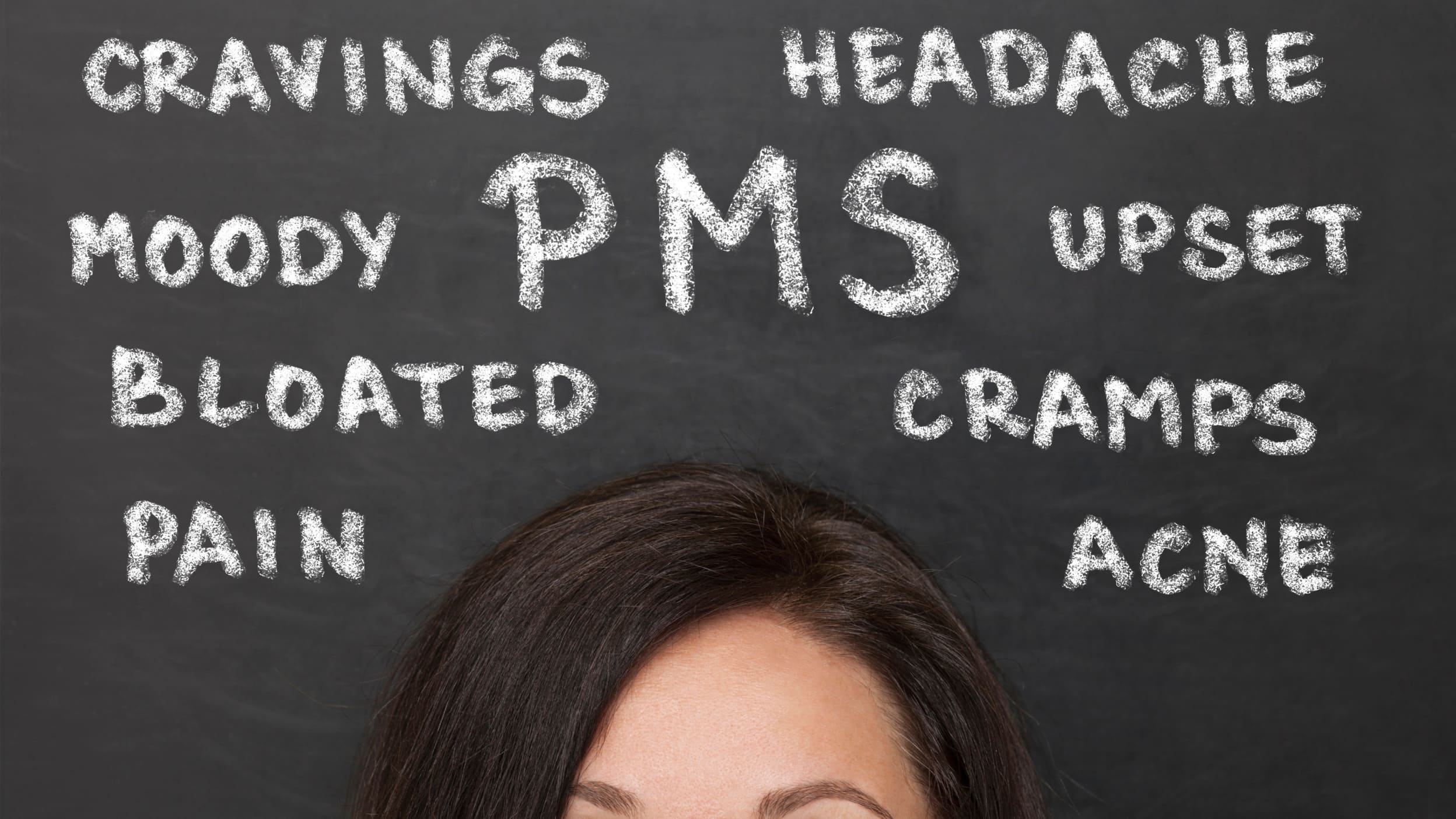
For years, I thought PMS symptoms are Data was just something to survive. A few miserable days before my period, then relief once it was over. But once I started tracking my symptoms, I realized that every emotion, every ache, and every craving was data. My body wasn’t broken. It was communicating.
Your PMS symptoms are not random. They’re signals about how your hormones are functioning. When I finally learned to read those signals, I stopped feeling like a victim of my cycle and started feeling like I had a roadmap.
Most women don’t realize their PMS patterns are incredibly consistent. The bloating that appears two days before your period, the sudden sugar cravings, or that emotional crash often arrive right on schedule because hormones follow predictable rhythms. When you understand those rhythms, you can work with your body instead of fighting against it.
This awareness changed how I lived. I started adjusting my workouts, sleep, and diet according to where I was in my cycle. My energy stabilized, my moods evened out, and I no longer dreaded that “PMS week.” I began to see my symptoms as a form of feedback rather than punishment.
Understanding the Four Phases of Your Menstrual Cycle
Before decoding PMS, it helps to understand the structure of your cycle. Each phase brings a different hormonal balance that influences your mood, focus, and energy.
| Phase | Hormone Trends | How You Might Feel |
| Menstrual (Days 1–5) | Low estrogen and progesterone | Tired, reflective, needing rest |
| Follicular (Days 6–14) | Estrogen rises | Motivated, energetic, creative |
| Ovulatory (Days 14–17) | Estrogen peaks | Confident, social, mentally sharp |
| Luteal (Days 18–28) | Progesterone rises, estrogen dips | Calm or irritable, increased appetite, PMS symptoms possible |
PMS shows up during the luteal phase, which is the last part of your cycle before bleeding starts. This is when progesterone should be dominant, keeping you grounded and calm. But if estrogen stays high or stress depletes progesterone, that’s when fatigue, bloating, mood swings, and cravings take over.
I’ve noticed that how I treat my body in the follicular and ovulatory phases always affects how smooth or rough my luteal phase feels. If I’ve slept well, eaten consistently, and kept stress manageable, my PMS symptoms are mild. If I’ve overworked or skipped meals, my body lets me know. The luteal phase is honest like that.
What Your PMS Symptoms Reveal About Hormones
Every PMS symptom has a hormonal message behind it. Once I started tracking, I could tell exactly which hormone was likely off balance based on how I felt.
Mood Swings and PMS Depression
I used to experience sudden emotional crashes about a week before my period. One day I’d feel fine, the next I’d feel hopeless or irritated for no clear reason. Once I learned more about hormones, it made perfect sense.
This emotional drop often happens when progesterone is low compared to estrogen. Progesterone normally has a soothing effect that balances estrogen’s intensity. When it dips, emotions become unpredictable. You might feel sad, impatient, or unusually sensitive.
If your mood improves once your period begins, that’s a strong clue that hormones were behind it. I’ve seen clients stabilize their PMS moods simply by improving sleep, reducing caffeine, and balancing blood sugar. Those small shifts can make a world of difference.
Anxiety Before Your Period
If you feel anxious or restless before your period, cortisol is often part of the picture. Chronic stress steals from progesterone production to make more cortisol, leaving you both hormonally imbalanced and emotionally on edge.
I’ve experienced this firsthand. During a particularly stressful work month, I noticed my usual mild PMS anxiety turned into full-on panic. It wasn’t “in my head.” My body was responding to prolonged stress.
Managing stress through breathwork, light exercise, and better boundaries has been key. When I support my nervous system, my PMS anxiety drops dramatically.
Fatigue, Appetite and Cravings
That intense craving for chocolate or carbs before your period isn’t weakness. It’s your metabolism adjusting to hormonal shifts. Progesterone slightly raises your calorie needs, so your body legitimately wants more energy.
If you don’t eat enough protein or skip meals, blood sugar dips and fatigue follows. I used to ignore this and try to “be good,” but it always backfired. Once I started eating balanced meals with protein, healthy fats, and slow carbs, my energy stayed stable, and the cravings lost their grip.
It’s also important to distinguish between low-iron fatigue and hormonal fatigue. If you’re tired all month, iron might be the issue. If exhaustion only hits before your period, progesterone or blood sugar balance is likely involved.
Bloating, Breast Tenderness and Water Retention
When I used to feel puffy or notice my jeans fitting tighter before my period, I blamed water weight. In truth, it was often a sign of estrogen dominance. When estrogen stays high relative to progesterone, it can cause the body to hold onto sodium and fluid.
That’s also what leads to breast tenderness or fullness in the days before bleeding begins. Supporting the liver helps clear excess estrogen. I started adding cruciferous vegetables like broccoli and kale, cutting back on alcohol, and staying hydrated. Within two months, the bloating reduced noticeably.
Spotting Before Your Period
If you notice spotting a couple of days before your actual flow starts, it usually points to low progesterone. This hormone helps maintain the uterine lining, and when it drops too early, light bleeding can start ahead of schedule.
I used to think spotting was normal, but it’s actually a useful signal. If your luteal phase is shorter than 12 days, that may mean your body needs support to strengthen progesterone levels. Improving sleep, stress management, and consistent nutrition helped me lengthen my luteal phase naturally.
How to Track and Decode Your Own PMS Data
When I first began tracking, I used a simple journal and color coded my moods. Now there are powerful apps like Clue, Flo, and Wild.AI that help you see patterns visually. The key is consistency.
Here’s how I recommend starting:
- Track for at least three full cycles. Record energy, mood, sleep, and physical symptoms daily.
- Notice recurring patterns. Do you always feel bloated on day 24? Crave sweets on day 26? These are data points.
- Add context. Track your stress, caffeine, and workout intensity. They often explain why symptoms vary.
- Use this information to plan your month. Schedule demanding tasks or workouts during the follicular and ovulatory phases and allow more recovery time during the luteal phase.
After three cycles, you’ll start to see your body’s personal rhythm. You might even predict your symptoms before they appear, which gives you power to prevent or soften them.
When PMS Crosses the Line Into PMDD
There’s a difference between PMS and PMDD, though they’re related. PMS can be uncomfortable, but PMDD can feel unmanageable. I’ve worked with women who describe feeling like a completely different person for half the month.
PMDD often involves intense mood swings, despair, or anger that disrupts relationships and work. The hormonal sensitivity is more extreme, but the root causes are still connected to how your body processes estrogen, progesterone, and serotonin.
If your premenstrual symptoms regularly feel overwhelming, tracking is still valuable. It can help you identify triggers, such as lack of sleep, nutrient deficiencies, or inflammation. While lifestyle adjustments can help, understanding your body’s patterns is the first and most empowering step.
Natural Ways to Support Hormonal Balance
Over the years, I’ve experimented with many approaches to reduce PMS, and certain strategies always make a difference.
Prioritize Sleep and Stress Recovery
Nothing affects hormones more than poor sleep. Lack of rest spikes cortisol and reduces progesterone. I make it a point to keep a regular bedtime, dim lights an hour before sleep, and limit screens. When I sleep deeply, my PMS symptoms shrink noticeably.
Support the Liver
Your liver clears excess estrogen. When it’s overworked, symptoms like bloating and mood swings intensify. I started adding cruciferous vegetables, lemon water, and minimizing alcohol. My skin improved and my cycle felt lighter.
Balance Blood Sugar
Every mood swing is often a blood sugar swing. Eating balanced meals with protein, fiber, and fat stabilizes hormones. During the luteal phase, I never skip breakfast and always add complex carbs like oats or quinoa to steady energy.
Move According to Your Cycle
Cycle syncing workouts changed everything for me. In the follicular phase, I enjoy higher intensity sessions. During the luteal phase, I switch to strength training, Pilates, or long walks. Matching movement to hormone levels reduced fatigue and irritability.
Nourish Micronutrients
Magnesium, zinc, and B vitamins are key for PMS. I focus on whole foods first: pumpkin seeds, lentils, spinach, salmon, and eggs. Within two cycles, I noticed less tension and fewer cramps.
Set Boundaries in the Luteal Phase
This phase naturally makes you more reflective and sensitive. I’ve learned to decline unnecessary commitments and focus on gentle tasks during this time. It’s not laziness; it’s working with biology.
FAQs About PMS Symptoms Are Data
Q1. What does my PMS mood swing mean about my hormones?
It usually points to low progesterone or high estrogen. When progesterone is low, the calming balance disappears, leading to irritability and sadness.
Q2. Why do I feel more anxious before my period every month?
That’s often due to higher cortisol and stress sensitivity. When the body is under pressure, progesterone drops and anxiety increases. Managing rest and caffeine can make a big difference.
Q3. How do I know if my PMS symptoms are normal or a sign of imbalance?
Mild changes before your period are normal, but if your symptoms disrupt sleep, work, or relationships, it’s worth addressing. Your body shouldn’t feel like a battlefield every month.
Final Thoughts
The biggest transformation for me came when I stopped seeing PMS as random chaos and started seeing it as a form of data. Every symptom became a clue about what my hormones were trying to tell me.
When you learn to decode your PMS symptoms, you shift from frustration to understanding. You begin to anticipate your body’s needs, support it proactively, and live in sync with its rhythm.
Your body isn’t working against you. It’s constantly communicating. The bloating, mood swings, or fatigue you feel are messages, not malfunctions. When you start listening, you gain more control, more calm, and more confidence.
Your PMS symptoms are data. Once you start decoding them, you’ll discover a powerful truth: your cycle isn’t an obstacle. It’s a guide to living with more balance, energy, and self-awareness every single month.