Table of Contents
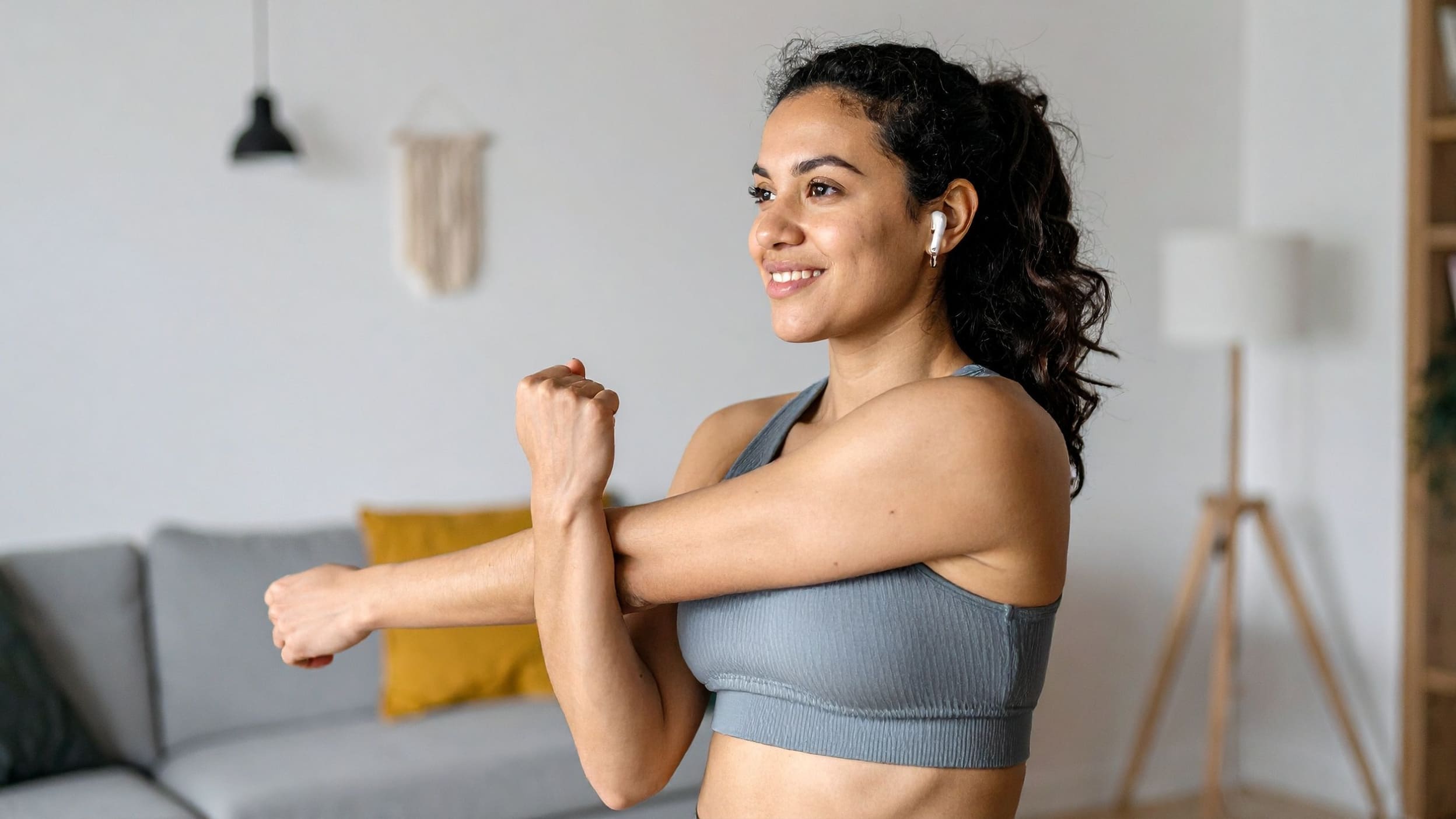
Every month, right before my period, I used to feel like my body had turned into a knot. My lower back would ache, my shoulders would tense up, and even simple things like sitting at my desk felt uncomfortable. Why stretching helps pms more than you realise I thought I just needed more rest or maybe a massage, but what I really needed was movement, the kind that teaches your body to let go instead of holding on.
Stretching became the missing piece I didn’t know I needed. It didn’t just reduce my cramps; it changed how my entire body responded to PMS. The first time I started stretching regularly during that week before my period, I noticed my body felt softer, less tense, and my moods didn’t swing as hard. I felt calmer, clearer, and more in control.
Most women don’t realize that PMS doesn’t just affect hormones; it affects muscle tone, flexibility, and how the body stores stress. During the luteal phase, your muscles can tighten and hold onto tension as hormone levels shift. Stretching gives your body a way to release that tension and move the energy that gets stuck when everything feels heavy.
When you stretch, you’re not just working your muscles; you’re also helping your nervous system calm down. That’s why after even ten minutes of stretching, you can feel your mood lift and your cramps ease. It’s not magic. It’s biology working with mindfulness.
How Hormones Affect Your Muscles and Mood
The menstrual cycle influences far more than just your period. Throughout the month, estrogen and progesterone rise and fall, shaping how your body feels, moves, and even recovers. During the luteal phase, progesterone takes the lead. It can make your muscles feel heavier, your digestion slower, and your energy levels drop.
This hormonal shift also affects your mood. When estrogen drops, serotonin and dopamine can fall too, which can cause irritability, anxiety, or that foggy feeling that’s hard to shake. For me, this was the week when even my favorite workouts felt harder than usual. My body just didn’t respond the same way, and I used to get frustrated by that.
Once I learned to adjust my routine, everything changed. Instead of trying to push through with my usual workouts, I started replacing a few sessions with gentle stretching. My body felt supported instead of strained. I noticed my recovery improved, my cramps were lighter, and even my sleep got deeper.
Stretching before your period works because it improves blood flow to your muscles, helps regulate stress hormones, and teaches your body to relax. When your body feels safe and supported, your PMS symptoms become far more manageable.
Why Stretching Helps PMS More Than You Think
I used to underestimate stretching completely. I thought it was just something you did after a workout, not something that could transform how you felt. But when I started using it as a tool during PMS, I realized it had more benefits than I ever expected.
Here’s why stretching makes such a difference during PMS:
| Benefit | How It Helps PMS |
| Improves circulation | Increases oxygen to muscles and relieves cramps |
| Reduces muscle tension | Loosens tight hips, thighs, and lower back |
| Supports hormone balance | Lowers cortisol and promotes relaxation |
| Calms mood swings | Activates the parasympathetic nervous system |
| Helps with sleep | Encourages deep relaxation before bed |
During PMS, your body is more prone to tightness and inflammation. Stretching improves blood flow, which helps your muscles get the oxygen and nutrients they need to relax. The deeper breathing that naturally comes with stretching also helps regulate cortisol, your main stress hormone.
I’ve noticed that on weeks when I make time to stretch, I’m less likely to feel bloated or restless. Even my digestion feels better. It’s like my body thanks me for slowing down.
Most women think they need to do more to feel better during PMS more exercise, more supplements, more self-control. But often, the answer is the opposite. Your body doesn’t need more pressure. It needs release. Stretching gives you that in the simplest, most natural way.
The Best Types of Stretching During PMS
The kind of stretching you do matters. During PMS, your body doesn’t need intensity. It needs gentleness and intention. The best approach is to focus on slow, controlled movements that feel nurturing instead of demanding.
Static Stretching
Hold each stretch for 20 to 60 seconds, breathing deeply. This helps your muscles relax gradually and relieves stiffness in areas like the hips and lower back.
Dynamic Stretching
Gentle movements like cat-cow or spinal rolls encourage mobility without pushing your limits. This type of stretching keeps your body warm and improves circulation.
Restorative Stretching
Supported stretches using pillows, bolsters, or blankets are perfect when you’re tired or emotionally drained. These stretches invite the body to rest while releasing tension slowly.
Breath-Integrated Stretching
Pair each stretch with mindful breathing. Inhale to expand, exhale to soften. This combination is especially powerful for easing PMS anxiety and calming your mood.
When I’m feeling achy and irritable, restorative stretching always helps. It’s my signal to slow down, light a candle, and let my body unwind. Those small rituals around movement create a space for healing that feels both physical and emotional.
A Simple Stretch Routine for PMS Relief
This is the exact routine I use during the week before my period. It’s simple, gentle, and can be done anywhere with no equipment needed.
1. Cat-Cow (Marjaryasana-Bitilasana)
Start on all fours, moving slowly between arching and rounding your spine. This movement releases tension in your back and massages your abdomen, easing cramps.
2. Seated Forward Fold (Paschimottanasana)
Sit with your legs extended and fold forward, resting your chest toward your thighs. Keep your knees slightly bent if needed. This stretch soothes your nervous system and helps digestion.
3. Butterfly Stretch (Baddha Konasana)
Bring the soles of your feet together, let your knees drop open, and breathe into your hips. This pose releases pelvic tension and improves circulation in your lower body.
4. Reclined Twist
Lie on your back, bring one knee across your body, and extend your arms out wide. This gentle twist relieves tightness in the spine and supports digestion.
5. Child’s Pose (Balasana)
Kneel on your mat, bring your big toes together, and fold forward with your arms stretched out. This pose calms your nervous system and helps release menstrual discomfort.
6. Legs-Up-the-Wall Pose (Viparita Karani)
Lie on your back and place your legs against a wall. This pose improves circulation, reduces swelling, and helps with fatigue. I love ending my stretch sessions this way because it feels like pressing a reset button for my body.
You can do this sequence in 10 to 15 minutes, or longer if you need it. On days when I’m particularly tired or bloated, I stay in each pose for several minutes and just breathe. It’s the most grounding part of my PMS routine.
How Often You Should Stretch Before Your Period
Ideally, stretch every day during the luteal phase, even if it’s just for five minutes. The consistency helps regulate your body’s stress response and prevents symptoms from building up.
In my experience, stretching daily before my period has been one of the easiest ways to stay connected to my body. It’s not a chore; it’s an act of kindness. Some nights I do a full routine, and other nights I just do legs-up-the-wall before bed. The more consistent I am, the less severe my PMS symptoms feel.
Stretching regularly can also make your actual period more comfortable. When your muscles and fascia are more relaxed going into menstruation, cramps tend to be lighter, and recovery is faster afterward. It’s like giving your body a head start.
Think of stretching as a daily reset for your hormones, mood, and mindset. It’s a small effort that gives a big return.
My Experience Using Stretching for PMS
When I first started using stretching for PMS, I didn’t expect much. I was used to taking painkillers and just waiting it out. But within a few cycles, I noticed how much calmer my body felt. My cramps became less intense, my sleep improved, and the emotional ups and downs weren’t as sharp.
One of the biggest changes was in my mindset. Instead of feeling like PMS was something that happened to me, stretching helped me feel like I had some control over it. I stopped dreading that week of the month because I knew I had tools to make it easier.
Over time, I began to see stretching as a form of communication with my body. When I feel the first signs of tension or irritability, I use movement to respond instead of resisting. It’s made my entire cycle more balanced and predictable.
Clients I’ve worked with have said the same. One woman told me her PMS anxiety dropped significantly after adding nightly stretching to her routine. Another said it was the first time she felt comfortable in her body during her luteal phase.
That’s the real magic of stretching. It’s not just physical relief, it’s connection and awareness.
FAQs
Why does stretching help PMS symptoms so much?
Stretching improves circulation, reduces muscle tension, and lowers cortisol. It supports your body’s natural rhythm during hormonal shifts, easing both cramps and emotional stress.
What stretches help PMS pain and tension?
Focus on gentle hip openers like butterfly pose, forward folds, and child’s pose. Twists also help with digestion and lower back tension.
Should I stretch every day during PMS?
Yes. Daily stretching helps prevent cramps and fatigue. Even a few minutes before bed can improve sleep and mood.
Final Thoughts
Stretching might seem simple, but its impact on PMS is profound. It teaches you to slow down, breathe, and tune into your body in a way that’s both healing and empowering.
What I’ve learned is that PMS doesn’t have to be something you fight. It’s a signal to soften, not push harder. When you use stretching as part of your self-care, you create space for balance physically, mentally, and emotionally.
So the next time PMS hits, instead of bracing yourself for discomfort, unroll your mat, take a few deep breaths, and start to move. You’ll be amazed by how quickly your body responds when you meet it with patience and care.