Table of Contents
I used to think I was just being overly emotional. Every month, right around the week before my period, I’d hit a wall at about 3 p.m. It didn’t matter if the morning had gone perfectly. Suddenly, I’d feel drained, irritable, or even teary for no reason. I’d blame stress, lack of sleep, or too much caffeine. But the pattern kept repeating.
It wasn’t until I started tracking my cycle that I realized this emotional slump wasn’t random. It was part of my body’s rhythm. Those sudden afternoon mood drops were actually a common PMS symptom, connected to hormonal changes, energy dips, and blood sugar fluctuations.
Once I understood what was going on, everything changed. Instead of fighting my body, I started supporting it. My afternoons became calmer, and those emotional roller coasters that used to hit out of nowhere became something I could predict and manage.
If you’ve ever felt that unexpected crash in the middle of your PMS week, you’re not imagining it. It’s real, and it’s manageable.
What Causes Afternoon Mood Drops During PMS
Most women expect bloating or cramps during PMS, but mood swings especially those mid-afternoon emotional dips often take them by surprise. I know they did for me.
During the luteal phase, the time between ovulation and your period, your hormones are in constant motion. Estrogen begins to drop while progesterone rises and then falls sharply before menstruation. This shift affects your brain chemistry, particularly serotonin, the neurotransmitter that helps regulate mood and emotional stability.
By mid-afternoon, your body is already naturally low on energy, and your blood sugar levels may be dropping if you haven’t eaten well or hydrated properly. Add hormonal changes on top of that, and your nervous system becomes more reactive, leading to irritability, fatigue, or sadness.
When I first realized this, it was like turning on a light switch. Instead of blaming myself for being sensitive, I saw the pattern clearly. My afternoon mood crashes weren’t weakness they were signals from my body asking for balance and nourishment.
The Role of Blood Sugar and Hormones
One of the biggest triggers behind PMS related mood swings is unstable blood sugar. When your blood sugar dips, your body releases cortisol and adrenaline to bring it back up. That quick stress response can make you feel anxious, jittery, or short-tempered.
During PMS, your body becomes more sensitive to these fluctuations because of the hormonal changes happening in the background. Estrogen helps regulate how efficiently your body uses glucose, but as estrogen drops in the luteal phase, insulin sensitivity shifts. This means you’re more likely to experience sudden blood sugar crashes after long periods without food or after eating refined carbohydrates.
I used to go hours between meals, running on caffeine and willpower. By 2 or 3 p.m., I’d be on edge, exhausted, and emotional. Once I started eating balanced meals every few hours protein, healthy fats, and complex carbs my mood stabilized almost immediately.
I also noticed that skipping breakfast made the afternoon slump worse. Starting the day with a solid meal made a huge difference. Food, it turns out, isn’t just fuel. It’s chemistry that directly affects how your hormones and emotions interact.
Why the Afternoon Crash Hits Harder Before Your Period
The afternoon crash during PMS feels different from normal fatigue because your hormones are amplifying every physical and emotional stress signal.
In the first part of your luteal phase, progesterone can have a calming, grounding effect. But as your period approaches, progesterone and estrogen levels drop rapidly. These shifts decrease serotonin and dopamine, the two neurotransmitters responsible for focus, motivation, and mood regulation.
At the same time, your cortisol threshold the level of stress your body can handle before reacting drops too. That means what might have been a small annoyance last week suddenly feels overwhelming.
I’ve felt this countless times. One minute I’m fine, and the next, the smallest frustration like an email notification or a messy kitchen feels unbearable. When I finally understood that this wasn’t a lack of patience but a physiological response, I stopped judging myself for it. I began planning my workload and social commitments differently during that phase.
Now, I schedule my deep focus work earlier in the day and reserve late afternoons for lighter tasks, walks, or quiet breaks. That shift alone reduced my PMS afternoon crashes dramatically.
How Stress Makes PMS Mood Swings Worse
Stress and PMS are not a good combination. When cortisol levels rise, they interfere with progesterone production, creating a hormonal imbalance that amplifies PMS symptoms. This includes mood swings, fatigue, anxiety, and even cravings.
Before I started managing stress better, my PMS symptoms were much more intense. I’d power through my days, telling myself I didn’t have time to slow down. But ignoring those stress signals only made things worse. The tension would build until I hit that inevitable afternoon crash mentally, emotionally, and physically.
When I began incorporating small, restorative habits into my day, things shifted. Ten minutes of deep breathing, a quick walk outside, or even closing my eyes for a few minutes helped calm my nervous system. The tightness in my chest eased, my thoughts slowed down, and my patience came back.
Managing stress doesn’t mean eliminating it. It means creating space for recovery so your hormones can do their job without constant interference.
Natural Ways to Prevent PMS Mood Drops
You can’t stop hormonal changes from happening, but you can help your body move through them more smoothly. Over time, I’ve found that small, consistent habits make a huge difference in preventing those mid-afternoon emotional dips.
Eat Regularly
Skipping meals is one of the fastest ways to trigger mood swings. I eat every three to four hours, even if it’s just a quick snack. This keeps my blood sugar steady and prevents that crash that leads to irritability.
Pair Carbs with Protein
Eating carbs on their own can cause blood sugar spikes and crashes. I pair them with protein or healthy fats to stay balanced. Apple slices with peanut butter, yogurt with nuts, or whole-grain toast with eggs all work perfectly.
Stay Hydrated
Dehydration worsens fatigue and mood instability. I aim for two liters of water a day and sometimes add electrolytes when I need an extra boost.
Move Your Body
Gentle movement like walking, stretching, or yoga helps release tension and supports hormone balance. I find that a 15-minute walk can completely reset my mood.
Practice Mindful Breathing
When I feel overwhelmed, I use a simple breathing exercise: inhale for four seconds, hold for four, exhale for six. It helps me calm down within minutes.
These habits aren’t complicated, but they work because they help your body maintain stability when hormones are shifting.
Nutrition Strategies for Afternoon Stability
Nutrition plays a huge role in how you experience PMS, especially when it comes to mood and energy levels. The right foods can help stabilize your hormones and reduce emotional volatility.
Start with a Protein-Rich Breakfast
A solid breakfast sets the tone for the day. I like Greek yogurt with chia seeds, berries, and almond butter or eggs with spinach and whole-grain toast. Starting with protein keeps blood sugar steady and prevents cravings later.
Focus on Complex Carbs
Complex carbs like quinoa, oats, and sweet potatoes fuel your brain and help support serotonin production. These foods provide sustained energy instead of short bursts.
Add Omega-3s
Healthy fats found in salmon, walnuts, and flaxseeds help reduce inflammation and improve mood regulation. After consistently adding more omega-3s, I noticed my PMS irritability decreased significantly.
Support Your Minerals
Magnesium and B vitamins help calm the nervous system and support hormone metabolism. I include dark chocolate, pumpkin seeds, leafy greens, and whole grains regularly.
Limit Processed Foods
Highly processed foods can spike blood sugar and make mood swings worse. During PMS, I aim for whole, nutrient-rich meals and avoid skipping lunch, no matter how busy I am.
Food is your foundation. When you nourish your body properly, your emotions follow.
Lifestyle Adjustments That Support Hormone Balance
Hormonal balance isn’t just about what you eat it’s also about how you live. The way you sleep, move, and manage your environment plays a huge role in how your body handles PMS.
Prioritize Sleep
Sleep is when your hormones reset. I used to stay up late scrolling or working, and it always made my PMS worse. Now I keep a bedtime routine with dim lights, herbal tea, and no screens an hour before bed.
Track Your Cycle
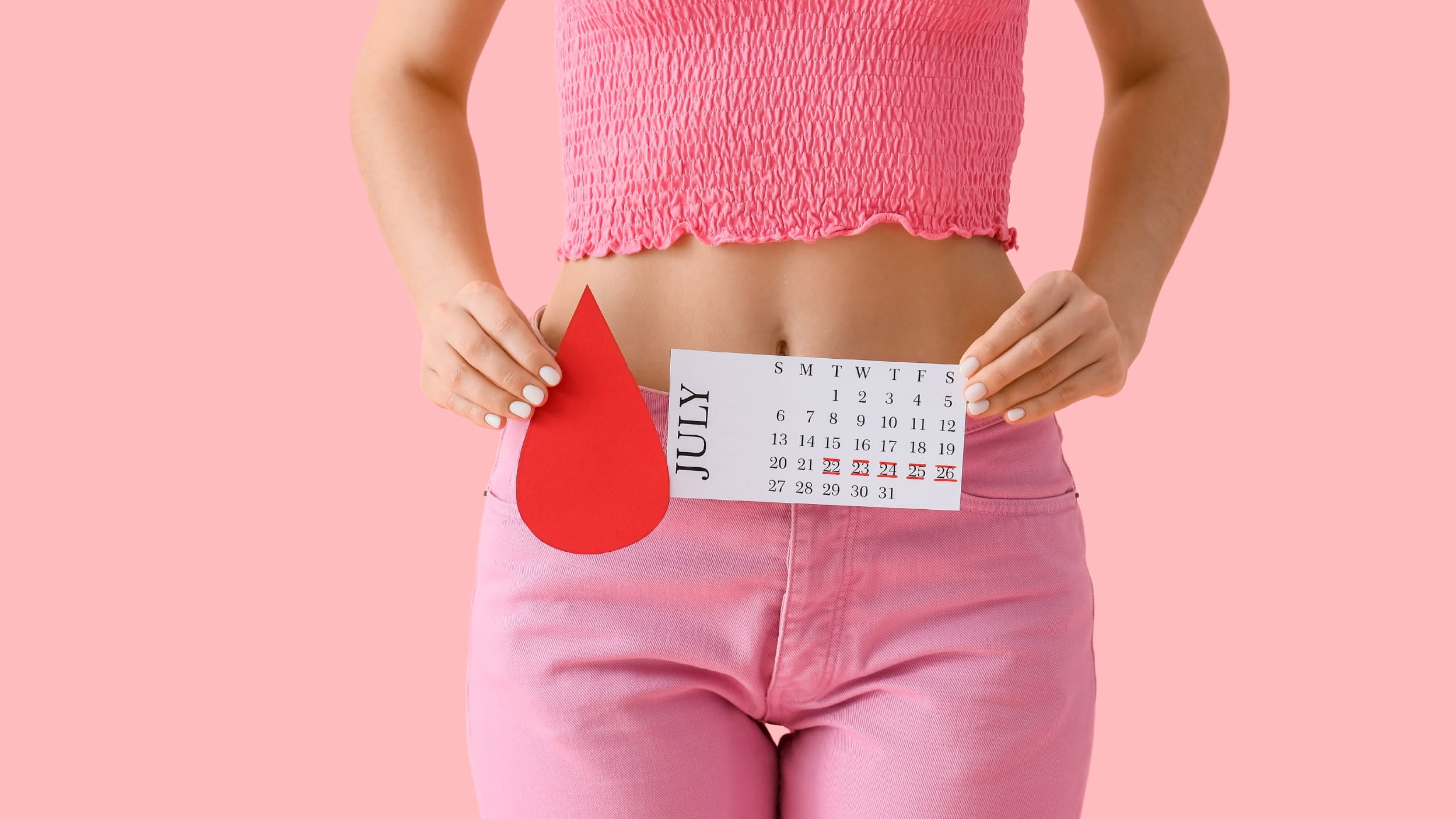
Cycle tracking has been one of the most empowering habits I’ve built. Knowing which phase I’m in helps me plan my workload, workouts, and social life around my natural energy patterns.
Manage Overstimulation
During PMS, I’m more sensitive to noise and chaos. I plan quieter evenings, avoid crowded spaces when possible, and protect my energy.
Give Yourself Grace
Your hormones influence everything from energy to emotions. Being hard on yourself only adds stress. Instead, I’ve learned to treat PMS as my body’s reminder to slow down and listen.
These adjustments don’t have to be dramatic. They’re about creating balance and learning to flow with your body instead of against it.
FAQs About PMS Mood Drops
Why do I feel sudden mood swings in the afternoon before my period?
Hormonal fluctuations during the luteal phase affect serotonin and blood sugar levels, which can lead to mood drops, irritability, and fatigue, especially in the afternoon.
How can I prevent afternoon mood drops during PMS?
Eat balanced meals regularly, stay hydrated, manage stress, and schedule lighter tasks later in the day when your energy naturally dips.
Are PMS mood swings normal?
Yes, they’re common due to hormone changes. However, with proper nutrition, rest, and awareness, you can reduce their intensity and regain control of your emotional balance.
Final Thoughts
The biggest breakthrough for me was realizing that PMS mood drops weren’t random or dramatic they were my body communicating. Once I stopped resisting that message and started listening, everything became easier.
Now, when I feel that familiar dip in the afternoon, I take it as a signal to pause and check in with myself. Have I eaten enough? Drank enough water? Taken a break? Usually, the solution is simple.
Understanding why PMS causes sudden mood drops gives you back your power. You start to see patterns instead of chaos, and that awareness allows you to make small, meaningful changes.
Your body isn’t fighting you. It’s guiding you toward balance. When you start working with it instead of against it, those mood swings become manageable moments instead of overwhelming ones.