Table of Contents
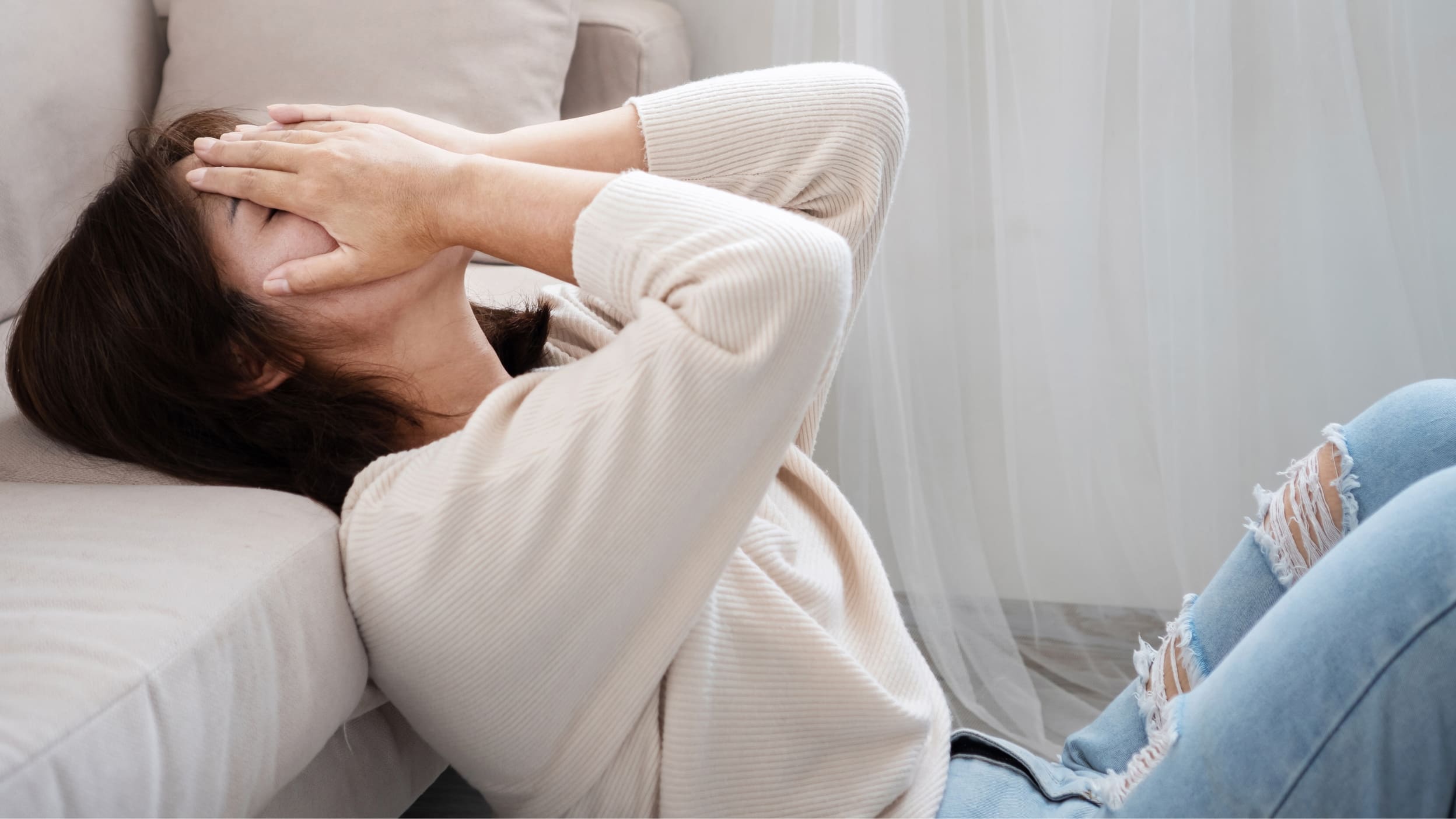
If you’ve ever had that week before your period when your chest feels tight, your brain won’t stop racing, and you can’t quite explain why you’re on edge, you’re not imagining it. PMS anxiety can make even small things feel overwhelming.
For me, it used to feel like my whole nervous system was vibrating. I’d wake up with a knot in my stomach for no reason. Even normal tasks like answering an email, cooking dinner, or talking to a friend felt heavier than usual.
And the worst part? I didn’t understand why. I thought I was just being emotional or overly sensitive. But once I learned how much my hormones influenced those feelings, I finally stopped blaming myself and started finding ways to work with my body instead of against it.
Movement, as simple as it sounds, became one of my most powerful tools.
The Moment I Discovered Movement Could Help
It started on a Sunday morning. I was in the middle of one of those anxious PMS spells, heart fluttering, thoughts spinning, feeling detached from myself. I didn’t have the energy for a full workout, but I also couldn’t sit still.
So I went outside and started walking. I told myself I’d turn back after ten minutes. But with each step, my breathing deepened. The noise in my mind began to quiet down. My shoulders softened. By the time I returned home, the anxiety hadn’t disappeared completely, but I felt grounded again.
That walk changed everything for me. It taught me that movement wasn’t just about fitness or appearance, it was about regulation. It gave my body a way to release the tension that my hormones had built up. Since then, I’ve used movement intentionally to ease PMS anxiety every month.
Why PMS Triggers Anxiety Episodes
To understand why this happens, you have to look at what’s going on inside your body.
During the luteal phase, which is the two weeks before your period, estrogen levels drop while progesterone rises. Estrogen plays a major role in supporting serotonin and dopamine, two brain chemicals that regulate mood and emotional stability. When estrogen falls, serotonin drops too, and your brain becomes more reactive to stress.
Progesterone, while calming in moderate amounts, can cause fatigue, bloating, and emotional dullness when it spikes. It’s like your body’s nervous system becomes extra sensitive to everything from caffeine to emotional stress.
On top of that, many women experience disrupted sleep, blood sugar fluctuations, and mild inflammation during this phase, all of which increase anxiety. It’s not in your head. Your hormones are shifting, and your body is trying to adapt.
That’s why movement is so powerful. It doesn’t just distract you from anxiety, it physically helps your body balance those hormonal effects.
How Movement Regulates Hormones and Stress
Here’s what happens when you move your body. Your brain releases endorphins, serotonin, and dopamine, the same chemicals that naturally drop during PMS. These neurotransmitters not only improve your mood but also calm the nervous system, making it easier to manage stress.
At the same time, movement lowers cortisol, the main stress hormone. When you’re anxious, cortisol floods your system, creating that jittery, restless feeling. Gentle, rhythmic movement like walking, yoga, or stretching tells your body it’s safe, which helps bring cortisol levels back down.
Over time, consistent movement also helps regulate insulin and blood sugar levels, which is key for reducing PMS symptoms. Stable blood sugar means fewer emotional crashes and less irritability.
What I’ve noticed personally is that the right kind of movement doesn’t deplete me; it restores me. It helps me release emotional pressure while also grounding my energy.
The Types of Movement That Calm PMS Anxiety
Not all exercise helps during PMS. High intensity workouts can sometimes make symptoms worse because they increase cortisol and deplete energy reserves. What your body needs during PMS anxiety episodes is low-impact, rhythmic, and mindful movement.
Here are some of my go-to types of movement that help calm PMS anxiety:
- Walking: Especially outdoors. It’s the simplest, most effective way to regulate your nervous system. The repetitive rhythm of your steps helps quiet the mind.
- Yoga: Focus on slower, restorative poses like child’s pose, legs-up-the-wall, or supported bridge. These poses reduce tension in the lower belly and hips.
- Stretch Flow: I often put on calming music and move freely through stretches. It’s less about form and more about connecting with my body.
- Pilates: Gentle mat work can strengthen your core and support your lower back, where tension often builds before your period.
- Dancing: When anxiety feels like buzzing energy, movement that’s expressive and fun helps release it.
- Tai Chi or Qigong: These slow, deliberate movements promote grounding and balance, both physically and emotionally.
The key is to move in ways that feel soothing, not draining.
Gentle Workouts That Support the Luteal Phase
Once I started syncing my movement with my cycle, everything changed. Instead of pushing through anxiety with high intensity workouts, I adjusted my approach during my luteal phase.
Here’s what a typical week might look like for me when PMS anxiety peaks:
| Day | Movement Type | Duration | Focus |
| Monday | 30-minute walk | 30 mins | Reset and grounding |
| Tuesday | Gentle Pilates | 20–25 mins | Strength with calm |
| Wednesday | Rest or deep stretch | 15 mins | Restorative recovery |
| Thursday | Dance flow | 20 mins | Release emotional energy |
| Friday | Yoga | 25–30 mins | Calm and restore |
| Saturday | Walk or hike | 40 mins | Connection with nature |
| Sunday | Rest | – | Reflection and reset |
This approach lets me maintain consistency without burnout. The goal isn’t to perform, it’s to regulate.
How to Know When to Rest Instead of Move
Some days, even gentle movement feels like too much. That’s when it’s crucial to tune in to what your body is asking for.
I use a simple mental checklist to decide:
- If I feel restless but physically okay, I move gently.
- If my anxiety feels heavy or tight in my chest, I focus on breathing exercises or stretching.
- If I’m fatigued, dizzy, or drained, I rest completely.
- If my thoughts are racing, I take a slow walk to regulate my breathing and heart rate.
Learning to differentiate between emotional exhaustion and physical fatigue took time, but it’s made all the difference. Movement is healing, but only when done from a place of respect, not resistance.
A Realistic Weekly Movement Plan
When I coach women or share my personal experience, I always emphasize that movement during PMS doesn’t have to be intense to be effective.
Here’s a simplified weekly plan you can adapt:
- Two walking sessions per week: Even 15 minutes makes a difference.
- One or two yoga or stretch sessions: Focus on calming the body.
- One light strength session: Keeps muscles engaged without taxing energy.
- One free-movement day: Dance, stretch, or move however your body wants.
- One full rest day: No guilt, just recovery.
Over time, this rhythm helps your hormones stabilize. You may even notice less anxiety month to month.
The Mind Body Connection During PMS
Before I understood the hormonal connection, I treated PMS anxiety like a mental problem. I tried to think my way out of it, but thinking only made it worse.
Now I see it differently. PMS anxiety is your body’s way of asking for grounding. It’s not weakness; it’s communication. When I move, I shift my focus from spiraling thoughts to physical sensations, the sound of my breath, the stretch of my muscles, the steadiness of my steps.
Movement becomes meditation in motion. It reminds you that you’re more than your thoughts. You’re a whole system, body and mind, capable of finding calm through rhythm and breath.
How to Create a PMS Movement Ritual
One of the best things I ever did was turn my PMS workouts into a calming ritual. Instead of seeing them as chores, I made them part of my emotional care routine.
Here’s how you can create your own:
- Set the mood: Dim the lights, play soft music, or go outside. Make it peaceful.
- Start with breathing: Two minutes of slow, deep breaths before you move will calm your nervous system.
- Move slowly and intentionally: Notice how your body feels. Release tension from your shoulders, back, and hips.
- End with stillness: Rest in child’s pose or take a quiet moment to reflect on what your body just did for you.
- Repeat consistently: Ritual builds trust between you and your body. It becomes something you look forward to instead of forcing yourself through.
This kind of ritualized movement builds emotional safety, especially when PMS anxiety hits hard.
FAQs
1. What movement helps PMS anxiety the most?
Gentle walking, yoga, and stretching are the best choices. These reduce cortisol, release endorphins, and improve mood naturally.
2. Should I skip workouts during PMS anxiety?
Not necessarily. Adjust intensity instead. Choose low-impact exercises that calm rather than stress your body.
3. How long should I move to ease anxiety?
Even 15 to 20 minutes of slow, rhythmic movement can make a big difference. Consistency matters more than duration.
4. Can too much exercise make PMS anxiety worse?
Yes. Overtraining raises cortisol and drains energy. Rest days are essential for hormonal balance.
5. How quickly will I feel relief?
Many women feel calmer within one session, but long-term consistency brings lasting hormonal and emotional benefits.
Final Thoughts
Movement has become my most reliable form of medicine for PMS anxiety. Not because it’s about pushing myself, but because it reminds me to soften.
Every step, stretch, and breath tells my body that I’m safe. That message alone is powerful enough to shift the entire experience of PMS.
When anxiety shows up now, I don’t see it as a sign that I’m broken. I see it as my body’s signal to move, breathe, and return to balance. Movement doesn’t erase anxiety, it helps me move through it with more compassion and less resistance.
If you take one thing away from this, let it be this: your body isn’t your enemy. It’s communicating with you in the only language it knows. Movement is how you answer back.
And every time you do, you’ll find yourself a little calmer, a little clearer, and a lot more connected to the rhythm that makes you whole.