Table of Contents
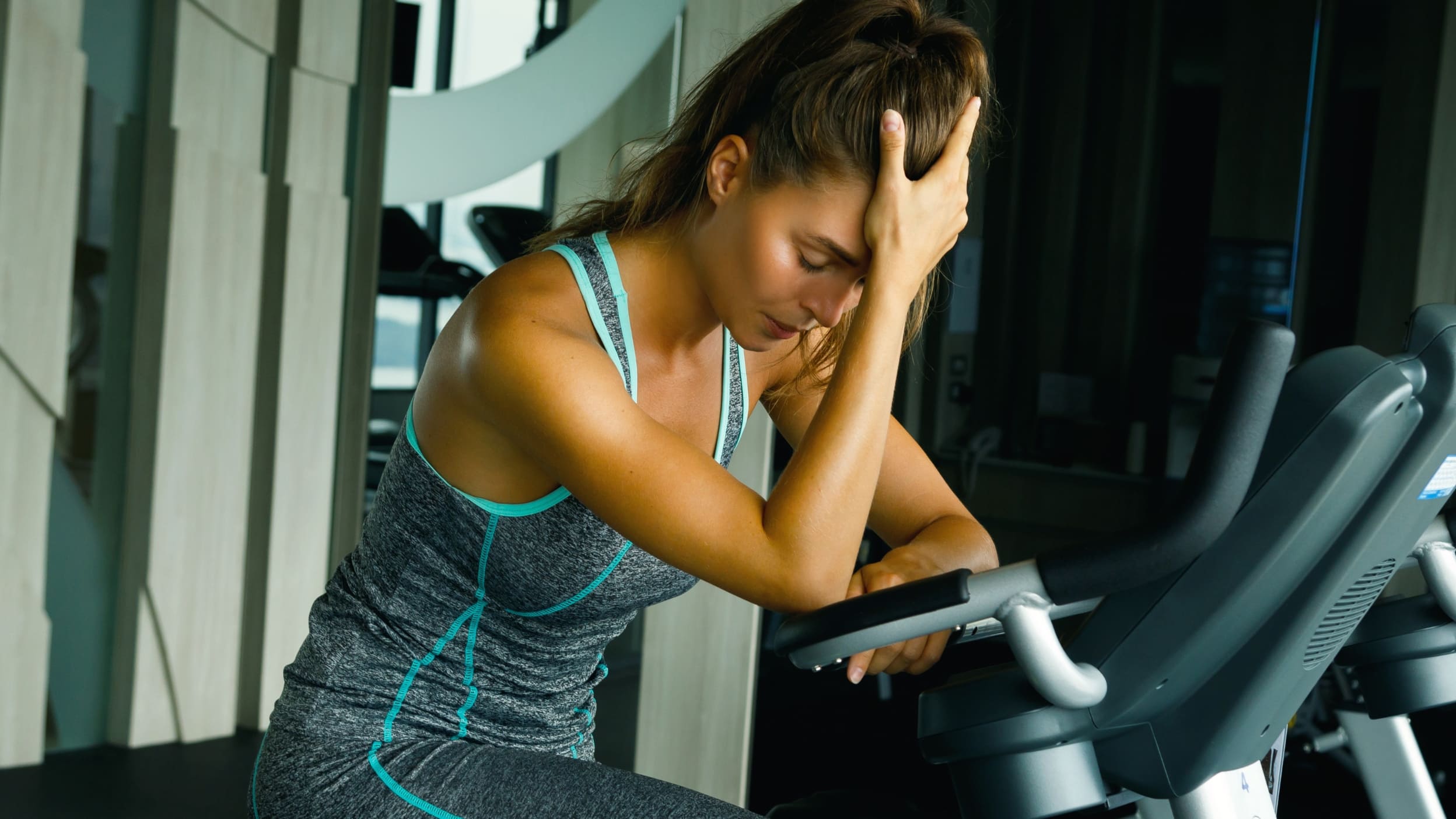
For most of my twenties, I believed the cure for everything was another workout. Can Exercise Make PMS Worse If I felt bloated, tired, or cranky before my period, I thought I just needed to sweat it out. I’d drag myself through another HIIT session or heavy leg day, convinced that pushing harder meant I was being disciplined. But it wasn’t working. My PMS symptoms actually got worse. My mood was unpredictable, I couldn’t recover properly, and my energy would tank for days.
It took me years and a lot of self observation to realize that my hormones weren’t fighting me. I was fighting them. Once I started understanding how my menstrual cycle affects performance, recovery, and motivation, things began to change. Exercise didn’t make my PMS worse anymore, because I learned when to push and when to pull back.
That’s what I want to help you understand: how hormones shape your workouts, why overtraining can worsen PMS, and what to do instead if you want to stay consistent, balanced, and strong all month long.
How Hormones Influence Your Workouts
Your menstrual cycle isn’t just a monthly inconvenience. It’s a rhythm that affects every part of how your body functions: energy, metabolism, strength, coordination, even your emotional resilience.
The cycle has four phases: menstrual, follicular, ovulatory, and luteal. Each one comes with its own hormonal landscape that can either support or challenge your workouts.
Menstrual phase (Days 1–5):
This is when bleeding starts, and both estrogen and progesterone drop. You might feel fatigued, crampy, or just low in motivation. It’s not the time for heavy training, but gentle movement like walking, stretching, or yoga can actually reduce cramps and help blood flow.
Follicular phase (Days 6–13):
Estrogen begins to rise, and you’ll notice your mood and energy improving. Your body responds better to training now, building muscle efficiently and recovering faster. This is a great time to focus on progression whether that’s lifting heavier, increasing your running mileage, or learning a new skill.
Ovulatory phase (Days 14–17):
Your estrogen peaks, and you get a small burst of testosterone. Most women feel confident, social, and powerful during ovulation. It’s perfect for intense workouts like HIIT, heavy strength training, or team sports. This is when you feel like you can take on anything.
Luteal phase (Days 18–28):
Here’s where things shift. Progesterone rises, your core temperature goes up slightly, and your body starts retaining more water. You may feel bloated or less coordinated. This is when most women notice PMS symptoms fatigue, mood swings, tenderness, cravings, and sometimes anxiety.
If you continue training like you’re in your follicular phase, high intensity, low rest you’re going to hit a wall. And that’s where overtraining starts to make PMS worse.
The Overtraining Trap: When “Pushing Through” Backfires
Overtraining isn’t just about elite athletes logging 20 hours of workouts per week. It’s a hormonal mismatch that can affect anyone who keeps pushing through exhaustion.
I once worked with a client, let’s call her Sarah, who was incredibly disciplined. She worked out six days a week, mixing spin classes, CrossFit, and long runs. For two weeks of the month, she felt amazing. But every month, like clockwork, she’d crash irritable, sore, bloated, and completely drained. Her PMS symptoms were so severe that she considered quitting exercise altogether.
When we tracked her cycle, the pattern was obvious. She was doing intense cardio and lifting heavy right through her luteal phase. Her body was already under hormonal stress, and the extra load pushed her cortisol levels sky high.
Once we modified her plan swapping high impact days for yoga and Pilates during the second half of her cycle her PMS symptoms eased dramatically. Within three months, her energy stabilized, her mood improved, and she even noticed her cycle becoming more regular.
That’s what overtraining during PMS does: it magnifies the stress your body is already under. Exercise is a positive stressor, but when you layer it on top of hormonal fluctuations and inadequate recovery, it tips the balance toward burnout.
The Luteal Phase Connection: Why You Feel “Off” Before Your Period
The luteal phase often gets blamed for everything from bloating to emotional meltdowns. But it’s also the phase where your body works the hardest behind the scenes. Progesterone increases to prepare your body for a potential pregnancy, your body temperature rises, and your metabolism speeds up slightly. You may even burn 100–300 extra calories per day.
These changes are normal, but they make recovery harder. Your heart rate is slightly elevated, your sleep quality may drop, and your tolerance for stress including physical stress from workouts shrinks.
When women ignore these signs and keep training at the same intensity, PMS symptoms can flare up. The extra stress raises cortisol, which interferes with progesterone and estrogen balance. That’s when you start seeing more pronounced symptoms: water retention, fatigue, emotional sensitivity, and in some cases, cycle irregularities.
I’ve been there myself. Before I learned about cycle syncing, I’d push through heavy workouts right before my period, only to end up sore, bloated, and mentally drained for days. Once I started adjusting intensity during my luteal phase, I noticed a big difference. My PMS became milder, my recovery faster, and my motivation steadier.
Signs You’re Overtraining During PMS
It’s easy to confuse hormonal fatigue with overtraining, but there are subtle differences.
Here’s how to tell:
| PM Related Symptoms | Overtraining Symptoms |
| Bloating and mild cramps | Persistent muscle soreness |
| Short term fatigue | Chronic exhaustion |
| Temporary mood swings | Anxiety or irritability for weeks |
| Cravings for comfort foods | Loss of appetite |
| Slight performance dip | Ongoing plateau or regression |
If your fatigue or soreness lasts more than a few days, or if you start dreading your workouts, that’s a sign your body needs a break. Rest isn’t laziness it’s an essential part of hormone balance.
What to Do Instead: Smarter Training by Phase
When I first started aligning my workouts with my cycle, I didn’t do it perfectly. I experimented. I paid attention. I tracked energy, mood, and recovery. Over time, a clear rhythm emerged.
Here’s the basic blueprint I now recommend to my clients:
Menstrual phase (Days 1–5):
Rest or move gently. Walk, stretch, or do restorative yoga. Even light movement can ease cramps and improve mood.
Follicular phase (Days 6–13):
Your energy’s back takes advantage of it. Try strength training, moderate cardio, or skill based workouts. It’s the best time to progress and learn.
Ovulatory phase (Days 14–17):
Your hormones are primed for peak performance. Go for your personal best heavy lifts, HIIT, or high energy classes. This is your “power phase.”
Luteal phase (Days 18–28):
Start tapering intensity. Swap fast paced cardio for Pilates or slower strength work. Focus on recovery, mobility, and stress management.
This isn’t about doing less, it’s about doing what’s right for your body at the right time. You’re still consistent; you’re just strategic.
How to Balance Exercise, Hormones, and Recovery
Balancing hormones and workouts starts with awareness. You can’t adjust what you don’t measure. I always tell women to track their cycles alongside their workouts, either in an app like MyFLO, Oura, or Natural Cycles, or even on paper. Patterns appear fast.
A few practical tips that make a difference:
- Fuel properly. Skipping meals or under eating before your period is a recipe for hormonal chaos. Focus on magnesium, B vitamins, and complex carbs to stabilize blood sugar.
- Sleep more. The luteal phase can disrupt REM sleep. Prioritize good sleep hygiene, dark room, no screens before bed, maybe a warm shower or magnesium drink.
- Recover actively. Foam rolling, stretching, or even slow walks count. Movement increases circulation and helps with PMS related water retention.
- Manage stress. Meditation, journaling, or even quiet time outdoors can lower cortisol and balance your hormones naturally.
- Listen to your body. If you’re constantly sore or mentally exhausted, take it as data. Your body isn’t weak, it’s communicating.
When I stopped treating my body like a machine and started working with it, I found more consistency than ever. I no longer dreaded the luteal phase because I knew exactly what my body needed at each stage.
FAQs about Can Exercise Make PMS Worse?
1. Can exercising too much make PMS worse?
Yes. Overtraining raises cortisol and inflammation, both of which can worsen PMS symptoms like fatigue, mood swings, and bloating.
2. Should I work out during my period?
Yes, but keep it gentle. Light movement improves blood flow and reduces cramps. Think yoga, walking, or stretching rather than heavy lifting.
3. How can I tell if my PMS symptoms are hormonal or from overtraining?
If your symptoms persist beyond your period or worsen with more exercise, overtraining might be a factor. True PMS tends to improve once bleeding starts.
Final thoughts
For years, I wore overtraining like a badge of honour. I thought “no days off” made me stronger. But all it really did was keep me stuck in a cycle of exhaustion and frustration. Once I began training with my hormones instead of against them, I finally felt what real balance was like.
Now, I train smarter, recover better, and no longer fear the days before my period. The truth is, exercise shouldn’t make PMS worse, it should help you feel more in tune with your body.
When you listen, adjust, and move with awareness, everything changes. You stop forcing progress and start flowing with it. Your hormones aren’t holding you back, they’re guiding you forward.
That’s the real secret: not more effort, but more understanding. When you align your workouts with your body’s rhythm, you don’t just feel better you thrive.