Table of Contents
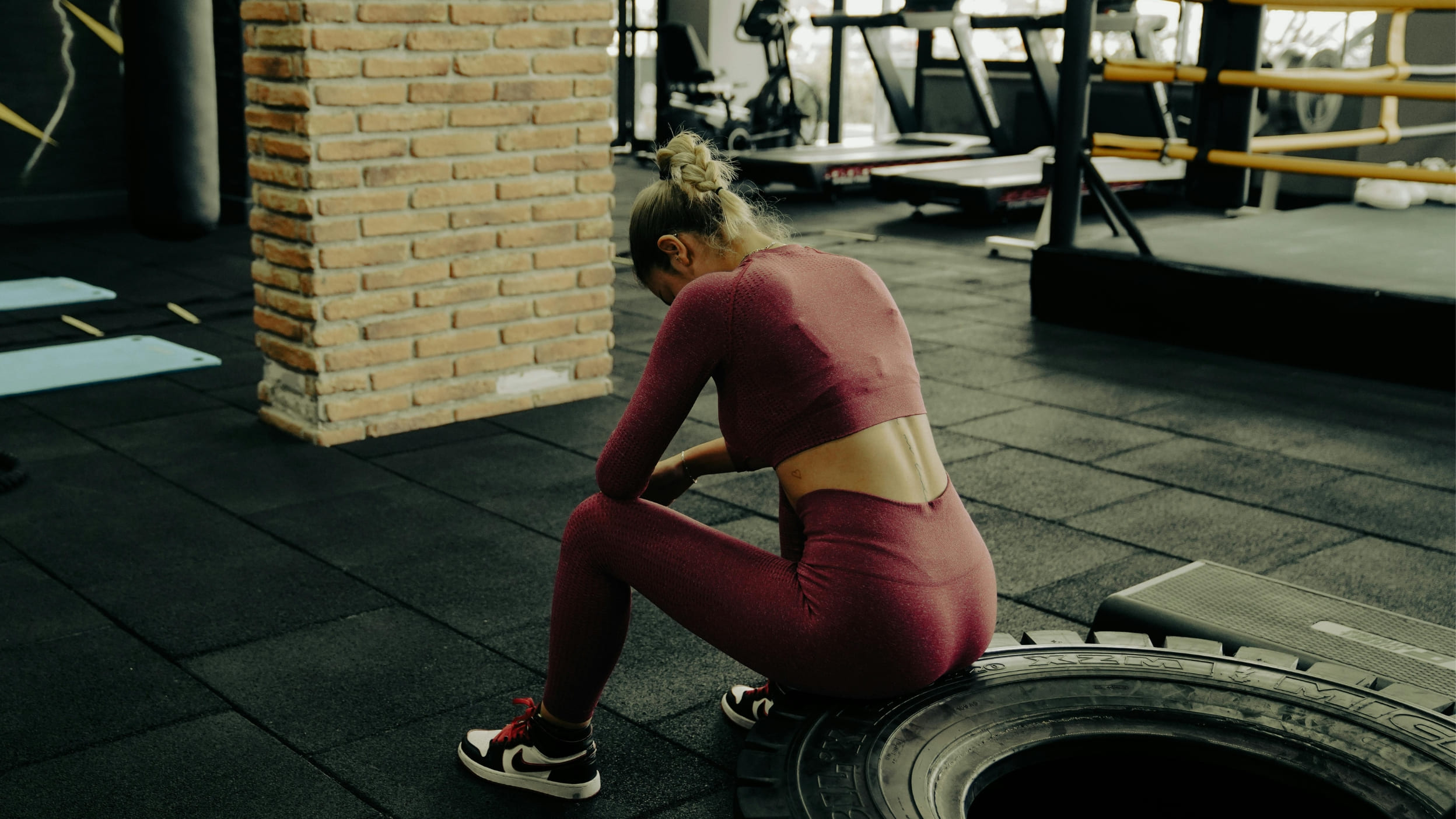
I used to think that overtraining makes PMS worse working out more meant getting stronger, faster, and leaner. I believed that pushing through exhaustion before my period was a sign of discipline. But over time, I realized that overtraining during PMS wasn’t building strength at all. It was making my symptoms worse, throwing my hormones off balance, and leaving me emotionally and physically drained.
Many women unknowingly do the same thing. When your body is already under hormonal stress in the days before your period, adding intense exercise can overwhelm your system. It drives up cortisol, your stress hormone, which competes with progesterone and disrupts your body’s natural rhythm. The result is fatigue, bloating, irritability, and slower recovery, all the classic PMS symptoms.
Once I learned how to align my workouts with my menstrual cycle, everything changed. My energy stayed more consistent, my mood improved, and I didn’t feel like I was crashing every month. Overtraining doesn’t make you stronger. It makes your body fight against you when it should be working with you.
Why Overtraining Feels Worse Before Your Period
If you’ve ever noticed your workouts feel harder right before your period, that’s not a coincidence. Your hormones shift dramatically during the luteal phase, which is the two weeks before menstruation. Progesterone rises while estrogen drops, and this changes how your body uses energy.
Progesterone increases your core temperature, slows muscle recovery, and makes your body rely more on fat than glycogen for energy. That’s why high intensity training can feel harder and less efficient in the week before your period. Your body is literally working under different conditions.
I remember forcing myself through back to back HIIT classes during my luteal phase, thinking I could sweat out my mood swings. Instead, I’d wake up sore, bloated, and exhausted, with zero motivation. When I finally gave myself permission to scale back, my PMS symptoms started to ease. My workouts felt smoother, and I recovered faster once my period started.
This experience taught me that fitness isn’t about perfection. It’s about partnership with your body’s rhythm. When I respect what my hormones are doing, I train smarter, not harder.
The Hormonal Shifts That Affect Performance and Recovery
Every phase of your menstrual cycle affects your performance differently. Once I started tracking my workouts alongside my cycle, the patterns became clear. Some weeks I felt unstoppable, while others I needed more rest, and that was completely normal.
| Cycle Phase | Hormonal Changes | Exercise Response |
| Follicular (Days 1–14) | Estrogen rises | Energy increases, strength and endurance improve |
| Ovulatory (Around Day 14) | Estrogen peaks | Confidence and power peak, great for intense sessions |
| Luteal (Days 15–28) | Progesterone rises, estrogen falls | Recovery slows, fatigue and PMS symptoms appear |
| Menstrual (Period) | Hormones drop | Energy lower, best for rest, stretching, or light movement |
In the follicular and ovulatory phases, I can handle heavy lifting, sprints, and long runs easily. But when I try to keep that same pace in the luteal phase, my body pushes back. My endurance drops, my motivation dips, and I get hungrier and more tired.
That doesn’t mean I’m losing progress. It means my body is shifting its focus from performance to protection. When I accept that and work with it, I get better long term results. My hormones stay balanced, and my cycle feels more predictable.
Signs You’re Overtraining in the Luteal Phase
The signs of overtraining can be subtle at first, but once you know what to look for, they’re hard to miss. I’ve experienced nearly all of them at one point or another.
- You feel sore and sluggish for days after workouts
- You crave sugar or carbs more intensely than usual
- You wake up tired even after a full night’s sleep
- Your heart rate stays higher than normal during rest
- You feel anxious, irritable, or overly emotional
- Your period arrives earlier, later, or heavier than expected
These are red flags that your body isn’t recovering properly. Overtraining creates stress on the adrenal system, which disrupts hormonal balance. In my case, I thought I was simply tired from training hard, but what I really needed was rest, hydration, and magnesium.
When I began tracking my symptoms, I noticed that rest days during my luteal phase actually helped my next workouts feel stronger. My strength and stamina improved because my body finally had time to recover. Rest isn’t weakness; it’s strategy.
How to Adjust Your Training for Hormonal Balance
I like to think of training through my cycle as four distinct chapters.
Each one has a different focus, and when I honor them, my body responds beautifully.
1. Follicular Phase (Days 1–14)
This is when estrogen climbs, giving you energy and confidence. I take advantage of this by scheduling my toughest workouts like heavy lifting, interval training, or long runs. My recovery is faster, and I feel sharp mentally and physically.
2. Ovulatory Phase (Around Day 14)
During ovulation, I feel strong, social, and powerful. This is the phase where I push for personal records or high intensity sessions. However, I stay aware of joint stability since ligaments can loosen slightly due to hormonal changes.
3. Luteal Phase (Days 15–28)
This is where overtraining becomes risky. I slow down my pace, swap HIIT for moderate cardio or Pilates, and lift lighter weights with more control. I focus on form, mobility, and stress reduction instead of intensity.
4. Menstrual Phase (Period)
When my period starts, I give myself permission to rest. Sometimes I’ll do light stretching or walking if I have energy. Other times, I let myself do nothing. The world won’t end if I skip a workout, and my hormones always thank me for it later.
Once I started adjusting my workouts this way, my PMS became less intense, my recovery improved, and my energy stayed steady throughout the month.
The Best Types of Exercise During PMS
Not every workout is beneficial before your period. During PMS, your body needs gentler movement to regulate cortisol, improve blood flow, and ease cramps.
These are the workouts that make me feel grounded and balanced:
- Walking: A 30 minute walk outside helps reduce bloating, boosts serotonin, and eases fatigue.
- Yoga: Gentle flows or restorative poses calm the nervous system and relax tight muscles.
- Pilates: Low impact strength training supports posture and core stability without draining energy.
- Light resistance training: I still lift weights, but I keep them moderate and focus on higher reps.
- Stretching and mobility work: Improves circulation and reduces stiffness caused by hormone fluctuations.
These forms of movement might not look as intense, but they’re incredibly effective for hormonal balance. The key is moving with intention instead of intensity. I always remind myself that the goal isn’t to burn out; it’s to stay connected to my body.
How to Support Recovery and Energy Naturally
Managing overtraining and PMS goes beyond just changing your workouts. Recovery, nutrition, and mindset matter just as much.
Here’s what I focus on consistently:
1. Eat enough, especially during the luteal phase
Your metabolism increases slightly before your period. I make sure to eat balanced meals with protein, complex carbs, and healthy fats. Sweet potatoes, eggs, and salmon are my go tos for steady energy.
2. Stay hydrated with minerals
Hydration affects hormone transport and muscle recovery. I drink water throughout the day and add a pinch of sea salt or electrolytes if I’m sweating heavily.
3. Get quality sleep
During PMS, I aim for 8 hours of sleep and limit screens before bed. Magnesium glycinate or a calming tea helps me fall asleep faster.
4. Manage stress actively
Stress and overtraining feed off each other. I’ve learned that rest days aren’t lazy days; they’re opportunities to reset. Breathwork, meditation, or simply reading something relaxing helps lower cortisol.
5. Supplement wisely
Magnesium, zinc, and B vitamins have helped me balance mood, improve energy, and reduce PMS fatigue. It’s amazing what a difference they make when paired with good nutrition.
FAQs About Overtraining Makes PMS Worse
Q1: Why does overtraining make my PMS symptoms worse?
Overtraining elevates cortisol and suppresses progesterone, which leads to fatigue, mood swings, bloating, and poor recovery.
Q2: How can I balance my workouts with my menstrual cycle?
Push harder during the follicular and ovulatory phases, then scale back during the luteal and menstrual phases. This approach supports hormones and recovery.
Q3: What is the best workout to do during PMS?
Low impact movement like walking, yoga, and light resistance training helps relieve cramps, reduce stress, and stabilize mood.
Q4: Why do I feel more tired or sore before my period?
Your body is using more energy for hormonal and metabolic changes, and progesterone slows recovery. Listen to your body and rest when needed.
Final Thoughts
I’ve learned that fitness is about flow, not force. Overtraining used to make me feel powerful in the short term, but in the long term, it left me burnt out and hormonal. When I began syncing my workouts with my cycle, I stopped fighting my body and started supporting it.
Now, instead of dreading PMS, I use it as a cue to slow down, recover, and reset. My performance has improved, my symptoms have eased, and I finally feel like my workouts are working with me, not against me.
The truth is, your hormones are your greatest training partner when you understand them. Once you do, you realize that rest isn’t the opposite of progress; it’s part of it.