Table of Contents
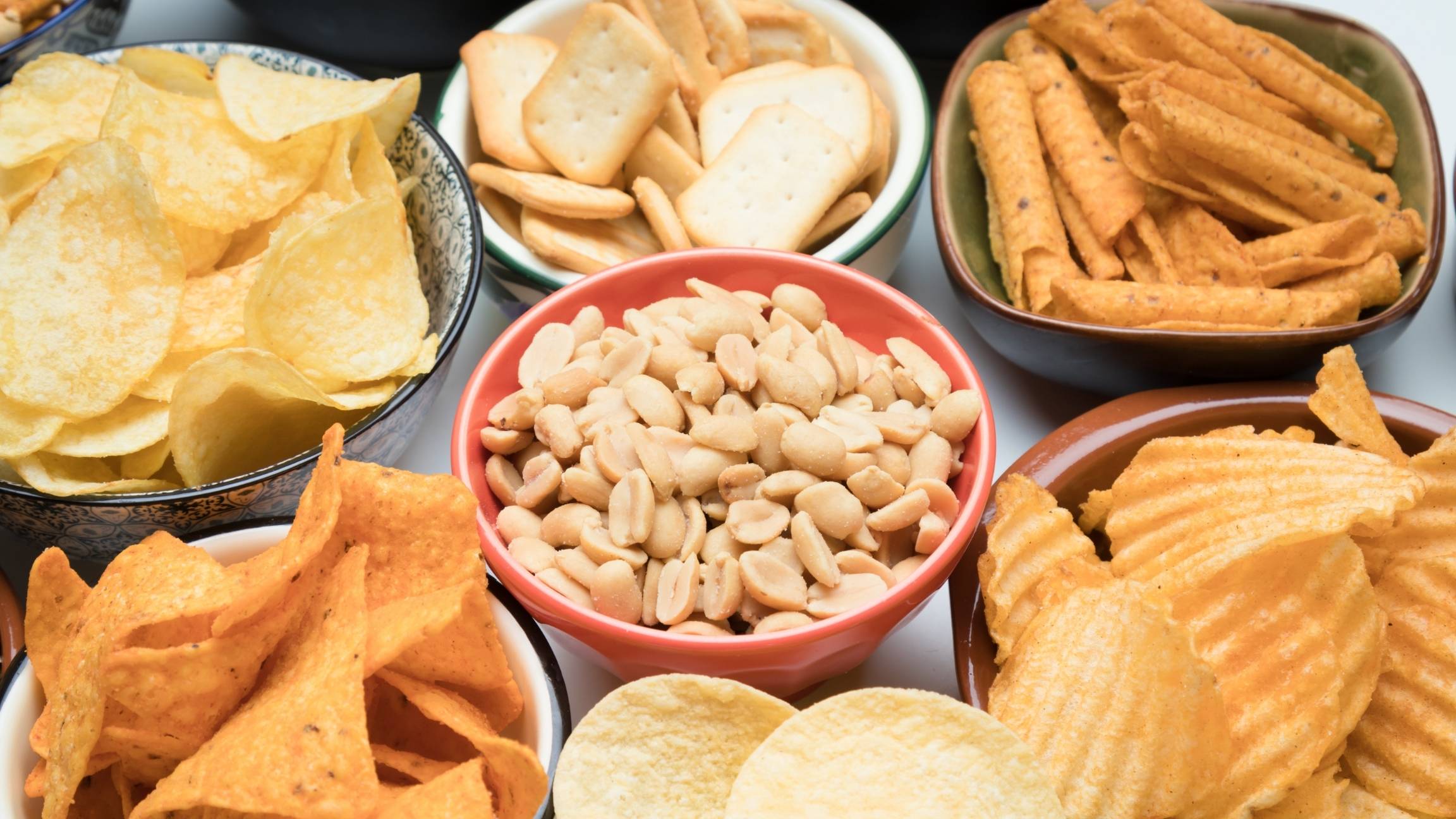
Every month I would reach that familiar stretch of days where my appetite suddenly felt louder, more emotional, and harder to manage. Why pms cravings spike and how to control them. Foods I barely thought about earlier in the cycle became front and centre. Sugar. Carbs. Salty snacks. Comfort foods. Sometimes all of them are in the same afternoon.
What made it more frustrating was how sudden it felt. One week I would feel in control around food, focused, steady, and confident. Then almost overnight, it felt like my body changed the rules without telling me.
I used to assume this meant I was undisciplined or doing something wrong. I tried eating “cleaner,” cutting back, distracting myself, or pushing through hunger. None of it worked. In fact, it usually made things worse. The more I tried to control cravings, the stronger they became.
What changed everything was learning why PMS cravings happen in the first place.
Once I understood what was happening hormonally and metabolically in my body, cravings stopped feeling like a battle. They became predictable. And when something is predictable, it becomes manageable.
This article is for women who want real explanations and real solutions. No restriction. No shame. Just practical, hormone aware strategies that work in everyday life.
Why PMS Cravings Feel So Intense
PMS cravings are not the same as everyday hunger.
They tend to feel urgent, emotional, and mentally distracting. Many women describe them as a pull they cannot ignore, even when they are physically full. It is not just about food. It is about comfort, relief, and grounding.
In my experience, this intensity is about timing. PMS cravings usually appear when your nervous system is already under pressure. Energy is lower. Stress tolerance is reduced. Sleep quality may be poorer. Motivation often dips. Even small decisions can feel heavier than usual.
So when a craving shows up, it is landing on a system that already has less capacity to regulate itself.
That is why logic rarely works in these moments. You are not failing at self control. Your body is operating under different conditions and asking for support, not restraint.
Once I stopped treating PMS cravings as a discipline problem, everything became easier to work with. The moment I shifted from judgment to curiosity, the pattern became clear.
What Hormones Are Actually Driving PMS Cravings
PMS cravings are driven by predictable hormonal shifts that occur after ovulation.
Progesterone rises during the luteal phase. Progesterone increases appetite and raises your baseline calorie needs. This is a normal physiological response designed to support the body during a phase that is more metabolically demanding.
At the same time, estrogen begins to fall. Estrogen plays a role in insulin sensitivity, serotonin production, and overall energy regulation. When estrogen drops, blood sugar becomes harder to stabilise and mood regulation becomes more fragile.
Together, these changes lead to:
- Increased hunger
- Faster blood sugar drops
- Reduced serotonin availability
- Stronger cravings for comfort foods
Once I understood this, PMS cravings stopped feeling random. They followed a pattern. And patterns can be planned for instead of feared.
This is one of the most empowering shifts I see in women. When cravings stop feeling unpredictable, they stop feeling overwhelming.
Why Sugar Cravings Spike Before Your Period
Sugar cravings are one of the most common PMS symptoms women report, and they are often the most misunderstood.
There are two main reasons this happens.
The first is serotonin. Estrogen supports serotonin production. When estrogen drops before your period, serotonin levels drop too. Serotonin plays a major role in mood stability, motivation, and emotional resilience. Sugar temporarily boosts serotonin, which is why it feels so appealing when mood dips or motivation feels low.
The second reason is blood sugar instability. Progesterone reduces insulin sensitivity. This means blood sugar rises and falls more easily, especially if meals are skipped, rushed, or low in protein.
In my own cycle, sugar cravings were always strongest on days when I delayed meals or tried to eat less to “be good.” Once I stopped doing that and started eating more consistently, cravings softened dramatically.
Sugar cravings are not a moral failure. They are a physiological response to low serotonin and unstable blood sugar.
The Luteal Phase Appetite Shift Most Women Miss
One of the most common mistakes I see is treating the luteal phase like every other part of the month.
Your body actually needs more energy during this phase. Research suggests calorie needs can increase by 100 to 300 calories per day in the days leading up to menstruation. That increase may sound small, but ignoring it can have a big impact.
When women ignore this shift, cravings intensify. Hunger builds quietly in the background until it suddenly feels urgent and uncontrollable.
I noticed this clearly in my own body. On cycles where I respected my appetite and adjusted my meals, PMS felt manageable. On cycles where I ignored hunger signals or tried to eat less, cravings escalated into overeating.
Appetite increases before your period are not something to suppress. They are feedback from your body asking for more support.
Are PMS Cravings Normal or a Sign of Imbalance?
This is a question I hear often, and it is an important one.
Some level of PMS cravings is completely normal. They reflect hormonal changes, increased metabolic demand, and nervous system sensitivity. Mild cravings that come and go are part of a healthy cycle.
However, cravings that feel extreme, lead to frequent binge eating, or come with severe mood changes may indicate deeper issues such as:
- Chronic blood sugar instability
- High stress or elevated cortisol
- Undereating earlier in the cycle
- Poor sleep quality
- Overtraining without adequate fuel
I always make this distinction clear. Cravings themselves are not the problem. The intensity and disruption are what matter.
When cravings start interfering with daily life, it is a sign that something upstream needs attention.
What Helps Control PMS Cravings Naturally
Managing PMS cravings does not mean eliminating them. It means supporting the body so they do not spiral.
These strategies are the ones I have seen work consistently, both personally and with women I coach.
Eat Earlier and More Regularly
Skipping breakfast or delaying meals during the luteal phase almost always backfires.
When women start eating within an hour of waking and keep meals consistent, cravings later in the day often reduce within one or two cycles. Early nourishment stabilises blood sugar and reduces the urgency that builds later.
Prioritise Protein at Every Meal
Protein stabilises blood sugar, supports neurotransmitter production, and improves satiety.
In practice, increasing protein intake alone often reduces PMS cravings noticeably. It gives the body a steady signal of safety and nourishment.
Include Satisfying Carbohydrates
Carbohydrates support serotonin and nervous system regulation. Removing them during PMS usually increases cravings and emotional eating.
The goal is not restriction. It is balance and satisfaction.
Lower Overall Stress Load
Stress amplifies cravings. Reducing decision fatigue, simplifying meals, and lowering expectations during PMS can make a big difference. Sometimes the most supportive change is doing less, not more.
How Blood Sugar Impacts PMS Cravings
Blood sugar stability is one of the most powerful tools for managing PMS cravings.
During the luteal phase, insulin sensitivity decreases. This makes blood sugar more volatile, especially if meals are skipped or unbalanced. When blood sugar drops, cravings rise quickly and intensely.
In my coaching work, when women stabilise blood sugar, cravings often decrease by 30 to 50 percent within two cycles.
Key habits include:
- Eating protein at every meal
- Avoiding long gaps between meals
- Including fats for satiety
- Reducing reliance on liquid sugars
This is not about perfection. It is about giving your body steady input when it needs it most.
Do PMS Cravings Mean You Are Missing Nutrients?
Sometimes cravings can reflect nutrient needs, particularly magnesium, iron, and B vitamins.
However, cravings are rarely solved by supplements alone.
I have seen women take supplements consistently while still struggling because meals were inconsistent or stress was unmanaged. Nutrients support the system, but they cannot compensate for chronic under eating or high stress.
Supplements work best when the foundation is already in place.
How I Help Women Stop PMS Binge Eating
PMS binge eating is far more common than most women admit.
The first step is removing shame. Labelling food as “bad” increases stress and reinforces the cycle of restriction and overeating.
When I work with women, we focus on three things:
- Predicting the craving window instead of reacting to it
- Supporting appetite earlier in the day
- Allowing satisfaction without guilt
When women stop fighting their appetite and start working with it, binge cycles often soften or disappear altogether.
Frequently Asked Questions
How long do PMS cravings usually last?
For most women, cravings peak in the final 3 to 5 days before menstruation and ease once bleeding begins.
Can stress make PMS cravings worse?
Yes. Stress increases cortisol, which destabilises blood sugar and intensifies emotional eating patterns.
Are PMS cravings a sign of hormonal imbalance?
Not always. Mild cravings are normal. Severe or disruptive cravings may reflect lifestyle or stress imbalances that can be addressed.
Final Thoughts
For years, I treated PMS cravings like something I needed to conquer.
What I eventually learned is that they are something to understand.
When I stopped trying to control my appetite and started supporting it, cravings lost their intensity. PMS became more predictable. Food stopped feeling like a battle.
Your body is not broken during PMS. It is asking for different support.
When you respond with awareness instead of resistance, cravings stop running the show and start making sense.