Table of Contents
If you’ve ever found yourself lying awake before your period, replaying the day in your mind, feeling tense or on edge for no clear reason, you’re not alone. I used to think it was just my mind running wild, but over time I noticed a pattern. Pms evening routines that calm tension and anxiety . Every cycle, around the same week before my period, evenings became the hardest.
There’s something about nighttime that amplifies PMS symptoms. The distractions fade, our bodies slow down, and we start to notice every uncomfortable thought or sensation. It’s not just mental, it’s hormonal and physiological. Once I understood why this happens, I stopped blaming myself and started building routines that actually calm my body instead of fighting it.
For many women, evenings are when cortisol peaks again after a stressful day, just as progesterone and serotonin start to dip. That means the body wants to relax but the nervous system doesn’t know how to let go. It’s like pressing the gas and brake at the same time. The key is learning how to transition from alert mode to rest mode in a way that supports your hormones instead of overwhelming them.
Understanding the Hormonal Triggers Behind Nighttime Anxiety
During the luteal phase, the two weeks between ovulation and your period, your hormones shift dramatically. Progesterone, which should have a calming effect, sometimes drops earlier than expected. Estrogen, which influences serotonin and mood, fluctuates too. On top of that, cortisol, your stress hormone, tends to stay elevated longer when you’re sleep-deprived or anxious.
That combination creates what I call evening tension. You feel tired but wired. You crave rest but can’t relax. In my experience, women who experience PMS anxiety often describe this strange jittery calm, where your body feels both fatigued and overstimulated.
Your nervous system is reacting to the hormonal rollercoaster, especially as your temperature rises slightly in the luteal phase. That small change can affect sleep quality, restlessness, and mood. Once I started paying attention to these cues, I realized the key wasn’t forcing sleep, it was creating an environment and rhythm that told my body it was safe to unwind.
I also learned that our evening mindset matters as much as our hormones. If we end the day reviewing everything we didn’t do or worrying about tomorrow, we’re adding emotional stress to an already sensitive phase. Shifting to a slow down, not shut down mindset has been one of the most powerful changes I’ve made.
How Your Evening Environment Affects PMS Stress
Our bodies read our environment like a signal system. Bright lights, loud sounds, and constant screen time tell the brain to stay alert. If you’re already in the luteal phase, this keeps cortisol and adrenaline high.
I used to work late under bright lights, scrolling on my phone until I fell asleep. My anxiety and PMS irritability were always worse those nights. Once I started dimming the lights, closing screens an hour before bed, and switching to warmer tones, my sleep and mood drastically improved.
Even small environmental tweaks make a huge difference. Calming scents like lavender, chamomile, or sandalwood activate the parasympathetic nervous system, your rest and digest mode. I like using a diffuser around 8 p.m. as my signal to start winding down.
Another thing that helped was decluttering my bedroom. During PMS, clutter felt like chaos. I now keep soft lighting, neutral tones, and clean bedding. It’s not about aesthetics, it’s about how your environment makes your nervous system feel.
Think of your space as your first line of defense against PMS stress. You can’t change your hormones instantly, but you can control what messages your surroundings send to your body.
The Ideal Evening Routine for Calming PMS Tension
When I first started designing my evening routine, I treated it like an experiment. I wanted to see what truly made a difference in my anxiety, sleep, and overall PMS symptoms. Over time, this simple structure became my go-to formula for luteal phase evenings.
Step 1: Transition Ritual (After Work)
End your workday with a clear boundary. Change clothes, wash your face, or step outside for a few breaths. This physical reset tells your brain the stressful part of the day is done. Sometimes I’ll light a candle or play calm music as a signal that my pace is shifting.
Step 2: Nourish and Hydrate
I noticed that skipping dinner or eating late made my PMS anxiety spike. A balanced evening meal with protein, complex carbs, and healthy fats helps stabilize blood sugar and support serotonin. Think salmon with rice and greens, or lentil soup with avocado toast.
I also drink a cup of warm water with lemon and a pinch of sea salt before dinner to stay hydrated. Hydration impacts energy levels more than most people realize, especially during PMS when water retention can confuse thirst cues.
Step 3: Move Gently
If you’re restless, don’t force yourself to sit still. A 10-minute stretch session or slow yoga flow helps release built-up tension. My favorite is a short restorative routine with deep hip openers and forward folds, positions that help calm the nervous system.
Some nights I prefer a slow walk outside to shake off lingering energy. The movement grounds me and improves sleep later on. The key is to move with intention, not intensity.
Step 4: Screen-Free Zone
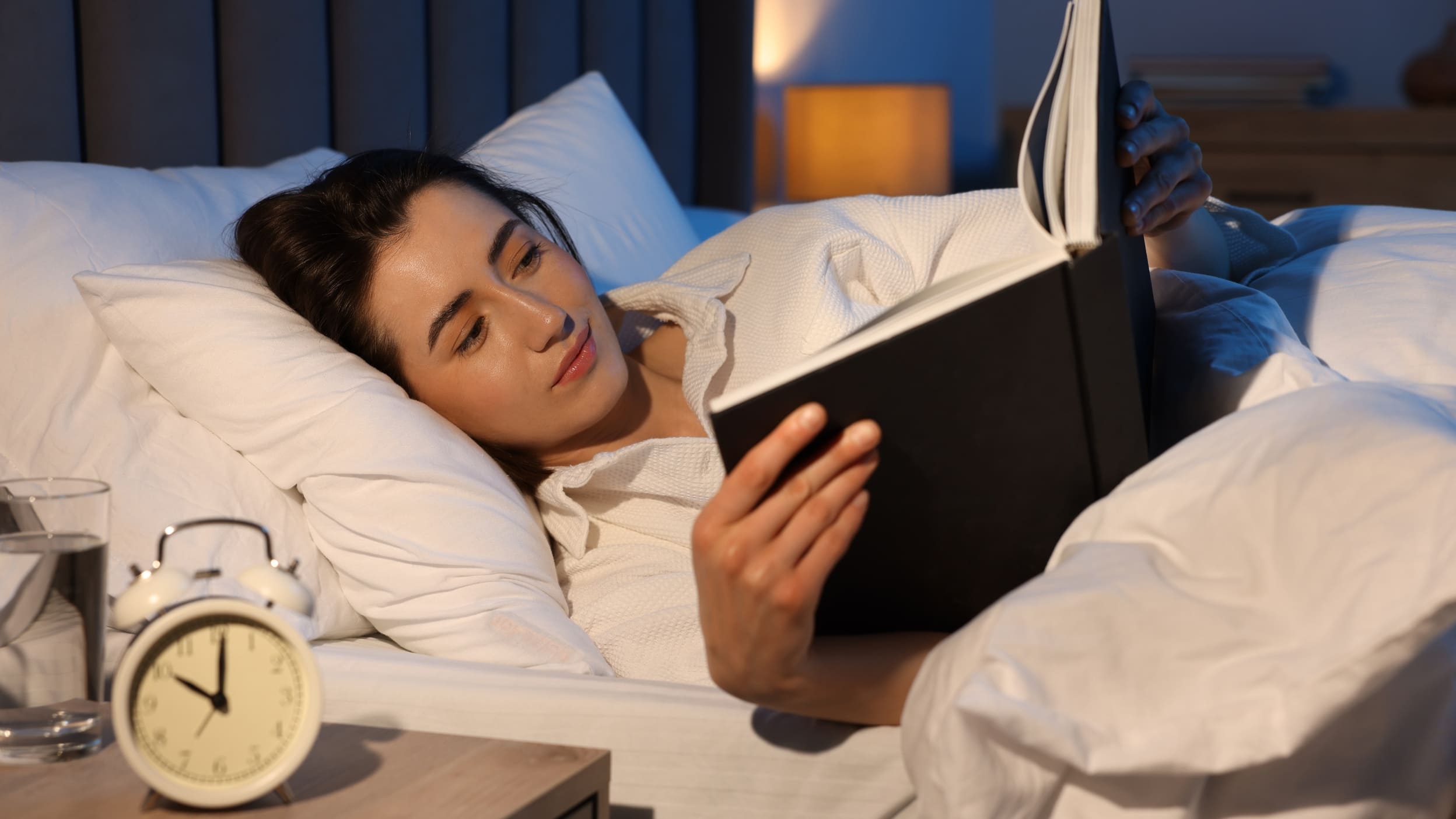
Turn off all screens at least an hour before bed. I used to scroll to relax, but it only made my brain more alert. Now I keep my phone in another room and listen to calming music or read instead. This single change made my evenings feel lighter and my sleep deeper.
Step 5: Wind-Down Ritual
This can be anything soothing such as herbal tea, journaling, or a warm bath. I personally love magnesium baths with soft lighting. They help lower my heart rate and ease muscle tension. Some nights I’ll write three sentences in my journal: one thing that went well, one thing I’m letting go of, and one small joy from the day. It’s grounding and reminds me to close the day gently.
When you follow this rhythm consistently, your body starts anticipating calm. Over time, your system learns what to do, almost like muscle memory for relaxation.
Simple Nighttime Habits That Ease Restlessness
Some nights, even with a perfect routine, PMS anxiety can still sneak in. These are small habits that have helped me reset when I feel that familiar evening tension.
- Breathing resets: Try inhaling for 4 counts, exhaling for 8. The longer exhale signals your body to relax.
- Weighted blanket: This helps with sensory grounding and reduces racing thoughts.
- Light journaling: Write down one sentence: What am I ready to let go of tonight? It sounds simple, but it helps release looping thoughts.
- Warm herbal tea: Chamomile, lemon balm, or spearmint support calm digestion and relaxation.
- Cool your body: Lower your bedroom temperature or take a lukewarm shower. Your body cools naturally before sleep, and this helps signal bedtime.
- Gentle self-massage: I sometimes use a bit of lavender oil on my shoulders or legs to release stored tension.
These micro-habits are small but powerful. They don’t demand much effort, which matters when you’re already emotionally and physically drained. The goal isn’t perfection; it’s consistency and self-awareness.
Supplements and Natural Supports That Help Before Bed
I’m not a fan of overcomplicating supplement routines, but certain nutrients can genuinely make luteal-phase evenings easier.
- Magnesium glycinate: Promotes muscle relaxation and supports GABA, your body’s calming neurotransmitter.
- Vitamin B6: Helps balance mood and supports progesterone metabolism.
- L-theanine: Found in green tea, it promotes relaxation without drowsiness.
- Chamomile extract or lavender oil: Gentle herbal supports that reduce anxiety and improve sleep quality.
- Omega-3 fatty acids: Support hormonal balance and reduce inflammation-related PMS symptoms.
In my experience, taking magnesium about 30–60 minutes before bed helps calm my body naturally. It’s subtle but effective. I also keep my supplement routine simple, one or two consistent supports instead of an overwhelming mix of products.
Sleep Tips for the Luteal Phase
Sleep can feel impossible during PMS. You might toss and turn or wake up around 2 or 3 a.m., a classic luteal-phase symptom. This happens because progesterone, which supports sleep, starts dropping, while cortisol becomes more sensitive.
Here’s what helps me get consistent rest:
- Keep a consistent bedtime, even on weekends.
- Use blackout curtains to support melatonin production.
- Avoid caffeine after 2 p.m.
- Try a warm magnesium bath 90 minutes before bed.
- Listen to a slow-paced sleep meditation instead of watching TV.
- Keep your room between 60–67°F (16–19°C) for optimal sleep.
When I started treating sleep like part of my PMS management plan, not an afterthought, my anxiety lessened, my moods stabilized, and even my cramps improved. Quality rest is one of the most underrated hormonal tools we have.
When Evening Anxiety Before Your Period Becomes Concerning
Some premenstrual anxiety is normal, but if you’re experiencing severe panic, heart palpitations, or sleepless nights for more than one or two cycles, it might point to a deeper hormonal imbalance such as PMDD or thyroid irregularities.
I always suggest tracking your symptoms for two full cycles. Patterns often reveal triggers you wouldn’t notice otherwise, like caffeine, alcohol, or emotional stress that compounds hormonal sensitivity.
Awareness is the first step to control. Once you understand when and why your symptoms appear, you can create a routine that supports your unique rhythm instead of fighting against it.
FAQs
How can I calm PMS anxiety at night?
Create a consistent evening routine that includes dim lighting, calming movement, herbal tea, and screen-free time. Magnesium and deep breathing also help ease anxiety naturally.
Why does PMS feel worse in the evening?
Hormone fluctuations, higher cortisol, and lower serotonin during the luteal phase make anxiety and restlessness more noticeable when your body starts to slow down at night.
What helps PMS tension and restlessness at night?
Warm baths, journaling, stretching, and a consistent bedtime routine help discharge tension. Keeping blood sugar steady with balanced meals also prevents nighttime agitation.
Final Thoughts
Evening anxiety before your period isn’t just mental, it’s a reflection of how your hormones, nervous system, and lifestyle interact. I’ve learned that fighting restlessness only makes it worse. The key is creating an environment and rhythm that feel safe and supportive.
Most women don’t realize how small changes like dimmer lights, magnesium, or five minutes of stillness can change the whole night. Your body doesn’t want to be in overdrive, it just needs permission to slow down.
Every cycle teaches you something about your limits, your rhythms, and your needs. The more you align with that, the calmer your evenings become. So tonight, instead of pushing through, take a deep breath, sip your tea, and let yourself unwind. You deserve rest, and your body will thank you for it.