Table of Contents
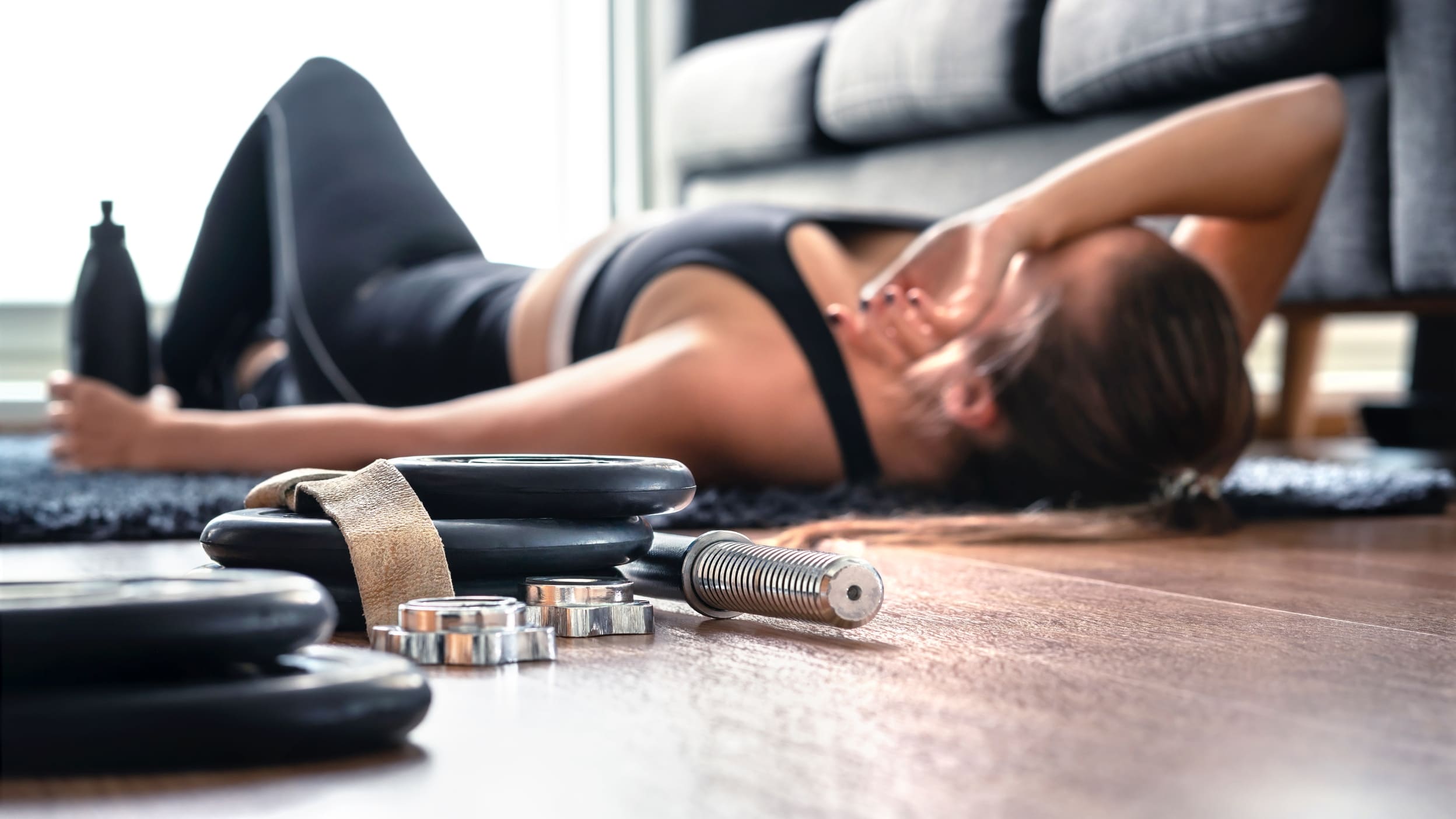
There are days when I walk into the gym feeling ready to crush my session, and five minutes in, everything feels off. Why pms makes workouts feel harder than usual. The same weights that felt light last week suddenly feel impossible. My coordination slips, my endurance drops, and my patience evaporates. For the longest time, I thought I was just being lazy or undisciplined. But I wasn’t. My body was responding to hormonal changes that I didn’t understand yet.
When I first started learning about how PMS affects workouts, I was shocked by how much sense it made. Every month, I noticed the same pattern of fatigue, frustration, and sluggishness during the week before my period. Once I began tracking my cycle, I realized it wasn’t just mental. It was physiological. My hormones were influencing how my body performed.
That awareness changed everything. Instead of forcing myself to push through, I began working with my body instead of against it. The result was better recovery, more consistency, and a deeper sense of respect for my body. PMS doesn’t mean you’re weak or unmotivated. It simply means your body needs a different kind of attention.
How Hormones Actually Affect Your Energy and Endurance
The luteal phase, which happens in the two weeks before your period, can feel like an emotional and physical rollercoaster. Progesterone rises while estrogen drops, and that combination affects everything from your energy and temperature to hydration and mood.
When I started tracking these shifts, I realized why workouts that felt effortless earlier in the month suddenly felt draining. It wasn’t about discipline. It was biology.
Your Body Runs Hotter
Progesterone slightly increases your core body temperature. That means your body has to work harder to cool itself down during workouts. Even simple cardio can feel more intense, and recovery might take longer. I used to feel frustrated when I couldn’t maintain my usual pace, but now I understand that my body was using more energy just to regulate temperature.
Your Metabolism Changes
During PMS, your body starts relying more on fat for energy instead of carbohydrates. That sounds positive, but it means that fast, high intensity workouts may feel tougher because your muscles don’t have access to quick fuel. This shift in metabolism is why lifting heavy or sprinting can suddenly feel exhausting.
Fluid Retention Affects Performance
Most women experience water retention before their period. I used to feel bloated, puffy, and sluggish, which made workouts uncomfortable. That extra fluid can subtly change balance and coordination. It’s not all in your head. Your body is literally carrying more water, and that can influence how you move.
Sleep Takes a Hit
The rise in progesterone can also disrupt deep sleep. I didn’t realize how much poor sleep affected my workouts until I started tracking both. When I slept badly, my performance tanked. Without proper rest, recovery slows, and motivation fades. Understanding this helped me stop blaming myself and start focusing on better sleep hygiene during PMS.
Learning these patterns helped me train smarter. Instead of pushing against my body, I started adapting to it, and my fitness results improved.
Why Your Strength and Motivation Dip During PMS
There’s something humbling about realizing that your body, not your mind, might be setting the limits. During PMS, both physical and emotional shifts come into play.
Estrogen, which supports muscle recovery and motivation, dips sharply before your period. Without it, strength and coordination can drop temporarily. I’ve had weeks where I could barely lift my normal weights, and for years, that discouraged me. Now, I take it as a signal to train differently.
Serotonin also declines during this time, which impacts mood and drive. That “I don’t feel like it” voice gets louder, not because you’ve lost motivation but because your brain chemistry is changing. Recognizing that made me kinder to myself.
A few years ago, I coached a runner who noticed that every month she’d hit a performance slump right before her period. Once we mapped her cycle, we saw the pattern clearly. She began scheduling lighter runs during PMS and used that time to focus on form and breathing. Within a few months, her pace improved overall because she was no longer forcing herself through burnout.
Understanding that rhythm changed everything for both of us. The more I honored my cycle, the more consistent and confident I became.
Real Strategies to Stay Consistent (Without Burning Out)
The goal during PMS isn’t to quit training but to train differently. I’ve learned that small shifts in how you approach movement can make the difference between burnout and balance.
Scale the Effort, Not the Discipline
Consistency doesn’t mean going hard every day. During PMS, I lower weights, lengthen rest periods, and shift to steady, mindful movement. Sometimes that means swapping my HIIT workout for a walk or yoga flow. I still show up, but I do so with awareness instead of force.
Plan Around Your Cycle
If you know PMS hits hard for you, plan your training calendar accordingly. Schedule intense workouts during the first half of your cycle when energy and motivation are higher. Save the lighter, restorative sessions for the second half. Once I started planning this way, I stopped dreading my workouts and started looking forward to them.
Focus on Recovery
Recovery workouts like mobility sessions, gentle stretching, and low-intensity Pilates can do wonders during PMS. They help reduce inflammation and bloating while improving circulation. When I consistently include these in my PMS week, my cramps and fatigue are noticeably reduced.
Fuel Intentionally
Cravings during PMS are not random. Your metabolism increases slightly, which means your body actually needs more fuel. Instead of restricting, I prioritize nutrient-dense foods like sweet potatoes, salmon, leafy greens, and nuts. I also drink plenty of water because dehydration can worsen bloating and fatigue.
Redefine Success
Before I synced my training with my cycle, I judged success by performance—how much I lifted or how fast I ran. Now, I measure success by how well I listened to my body. If I moved, breathed, and stayed connected to myself, I call it a win. That mindset shift has been the most freeing part of my fitness evolution.
How to Train Smarter Through the Luteal Phase
Training through the luteal phase doesn’t require a complete overhaul. It just requires strategy. By adjusting your focus and expectations, you can stay active without exhausting yourself.
Early Luteal Phase (Days 15–21)
This is when you still have decent energy. Your hormones are shifting, but you can usually handle moderate-intensity workouts. I keep my strength training but shorten sessions to about 45 minutes and give myself longer recovery time between sets.
Best workouts: moderate lifting, steady cycling, hiking, or core training.
Late Luteal Phase (Days 22–28)
This is when PMS symptoms often peak. Fatigue, mood swings, and bloating are common, and forcing intense workouts only makes things worse. I switch to restorative movement things that keep blood flowing without adding stress.
Best workouts: walking, yoga, swimming, stretching, or bodyweight training.
I’ll never forget the time I swapped a scheduled HIIT class for a sunset walk. I felt calm instead of drained, and the next week, I came back stronger. That’s when I truly understood that rest is part of the rhythm of progress.
FAQs
Why does exercise feel harder before my period?
Exercise feels harder before your period because hormonal changes increase your body temperature, shift energy metabolism, and impact hydration and mood. These changes make physical effort feel more intense even if your fitness level hasn’t changed.
Is it normal to feel more tired exercising during PMS?
Yes, it’s completely normal. PMS fatigue is a response to hormonal fluctuations, disrupted sleep, and changes in energy metabolism. Adjusting your workouts instead of stopping altogether helps maintain consistency while respecting your body’s needs.
Should I skip workouts during PMS week?
You don’t have to skip workouts unless your symptoms are severe. Gentle movement like yoga, walking, or light resistance training can reduce cramps, boost mood, and improve energy. Listen to your body and scale intensity as needed.
Final Thoughts
After years of fighting my body every time PMS arrived, I finally learned to listen to it. That changed everything. My workouts became less about control and more about collaboration. PMS doesn’t mean you’re falling behind; it means your body is asking for something different.
Some weeks you’ll feel powerful, others you’ll feel tender. Both are valid. When I stopped seeing PMS as an obstacle and started treating it as a signal, my fitness became more balanced and sustainable. The truth is, your body isn’t inconsistent it’s cyclical. And when you move in alignment with that cycle, you’ll find strength in every phase.
Your body knows exactly what it needs. The more you listen, the more you’ll realize that PMS isn’t working against you. It’s guiding you toward smarter, more intuitive movement and that’s where real progress begins.