Table of Contents
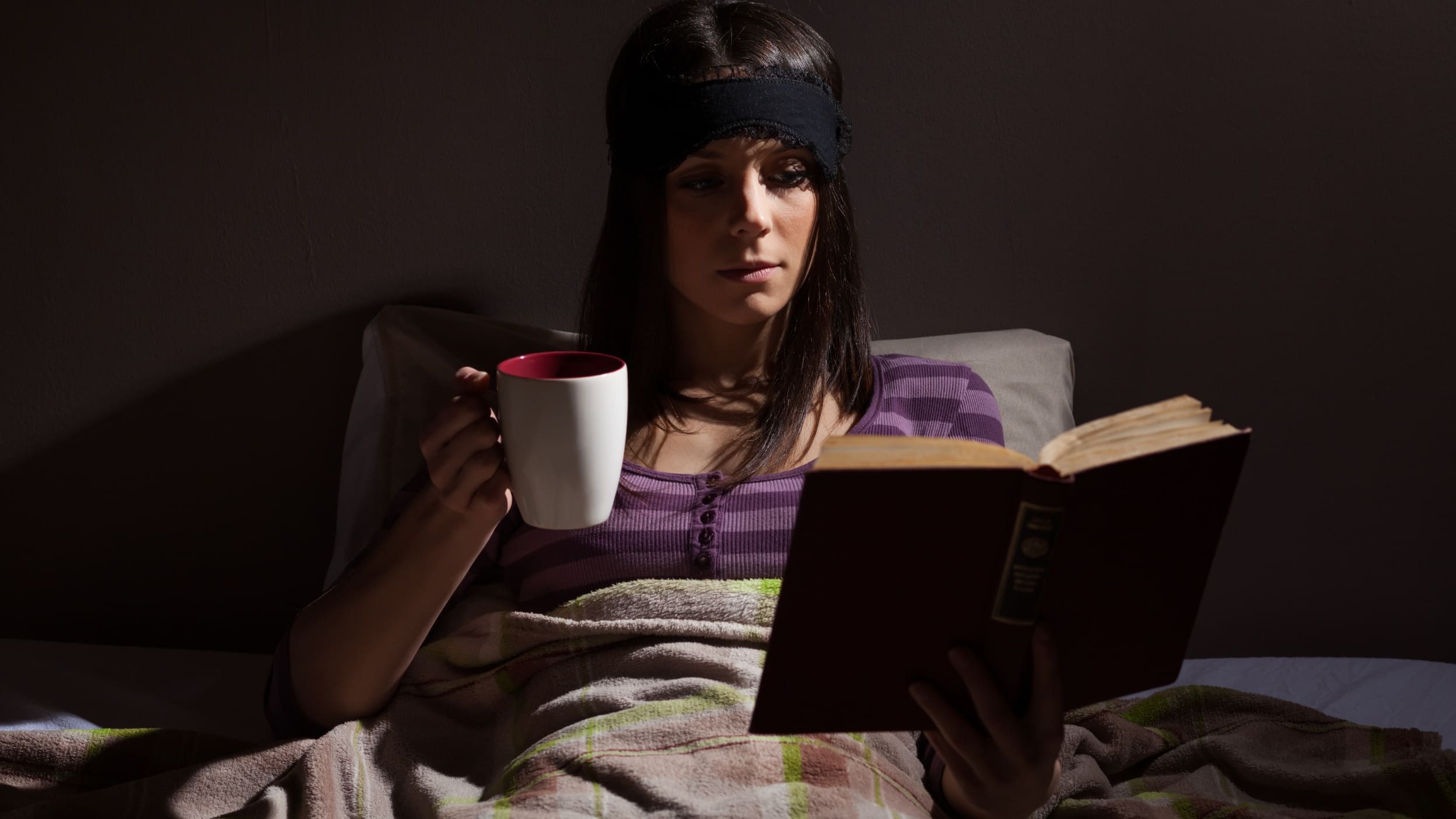
If you have ever found yourself tossing and turning right before your period, feeling both exhausted and restless, you are not imagining it. PMS can make falling asleep feel like an uphill battle. PMS Sleep Rituals That Improve Recovery and Mood.
I have had nights where I was desperate to rest, yet my mind would not stop replaying the smallest worries from the day.
For years, I blamed myself for poor sleep habits. I thought maybe I had too much caffeine or wasn’t winding down properly. But as I started tracking my cycle, I realized my sleep problems weren’t random. They followed a clear pattern. Every month, a few days before my period, my body felt more alert at night and heavier in the morning.
That discovery changed everything. My body wasn’t broken; it was responding to hormonal changes. Once I began working with my cycle instead of against it, I started sleeping better and feeling calmer.
Now, I see PMS sleep struggles as a signal that my body needs gentler care. That shift in mindset alone brought more peace to my nights.
The Science Behind PMS and Sleep Disruption
Hormones play a massive role in how well we sleep. During the luteal phase, which is the time between ovulation and your period, both estrogen and progesterone start to change.
Estrogen helps boost serotonin, which stabilizes mood and supports quality rest. When estrogen drops, serotonin drops too, and your brain becomes more sensitive to stress. This can lead to irritability, anxiety, or that restless “tired but wired” feeling.
Progesterone has a naturally calming effect, almost like nature’s sleep aid. But as your body prepares for menstruation, progesterone levels fall, and that calming influence weakens. The combination of low estrogen and progesterone means your nervous system becomes more reactive, your temperature slightly rises, and deep sleep becomes harder to achieve.
Understanding this helped me stop fighting my body. Sleep during PMS isn’t just about routine; it’s about hormonal cooperation.
Once I accepted that my sleep needs change with my cycle, I stopped forcing myself to stick to the same schedule every week. I started giving myself more time to unwind and noticed my sleep improved dramatically.
My Personal Experience With PMS Sleep Struggles
Before I learned about hormonal patterns, my PMS week was my least favorite time of the month. I was moody, exhausted, and yet somehow unable to sleep. I remember one particularly stressful week where I barely got four hours of rest each night. By day three, I was running on fumes, snapping at people, and feeling completely out of balance.
That experience was my wake-up call. I started journaling my symptoms, sleep patterns, and emotions each day. Within two months, a pattern emerged. I realized that five to seven days before my period, I had the most trouble falling asleep. That was my luteal phase in full swing.
Once I had that awareness, I began experimenting with small changes. I swapped my evening coffee for chamomile tea, reduced screen time before bed, and created a consistent bedtime routine. It felt awkward at first, but over time, my body started responding.
Now, I fall asleep faster, stay asleep longer, and wake up less groggy. I still have the occasional restless night, but my sleep no longer crashes every month. It’s more predictable and manageable because I’ve learned how to support my body instead of ignoring it.
How Sleep Impacts Mood and Recovery
Sleep is not just about rest; it’s the foundation of emotional balance. When I don’t get enough quality sleep, I feel it in every part of my life. My patience wears thin, my cravings spike, and even small challenges feel overwhelming.
During PMS, when hormones already make emotions run high, poor sleep magnifies everything. The body produces more cortisol, your main stress hormone, and less serotonin. That imbalance creates a perfect storm of fatigue, irritability, and mental fog.
But when you prioritize sleep, your body recalibrates. Cortisol levels drop overnight, your brain processes emotions from the day, and your nervous system resets. The difference in how I feel after a good night’s sleep versus a restless one is enormous.
Once I started treating sleep like an essential part of recovery, not just a luxury, my mood swings became less severe. I felt stronger, more centered, and much more in control of my reactions.
Building an Evening Routine That Actually Works
During PMS, routine becomes my greatest ally. The structure signals to my body that it’s time to transition from activity to rest. It doesn’t need to be elaborate just consistent and mindful.
Here’s what my current evening routine looks like:
1. Keep the same bedtime
I try to go to bed at the same time every night. A consistent sleep schedule helps my body regulate melatonin production naturally.
2. Power down early
An hour before bed, I put my phone on silent and close my laptop. The blue light from screens delays melatonin, which makes falling asleep harder.
3. Use sensory cues
I create a calm atmosphere with soft lighting and gentle music. A subtle scent like lavender or sandalwood tells my body it’s time to relax.
4. Stretch lightly
A few minutes of gentle stretching, especially around my lower back and hips, releases tension. I also practice deep breathing to calm my mind.
5. Keep my room cool
My body temperature naturally rises during PMS, so a cooler room helps me drift off faster and stay asleep longer.
It’s not about perfection. Some nights I skip steps, but what matters is consistency. Over time, my brain began to associate these actions with sleep, and my bedtime anxiety disappeared.
How to Improve Sleep During the Luteal Phase
The luteal phase can be tricky, but small changes go a long way. I’ve learned that what I do during the day directly affects how I sleep at night.
- Avoid caffeine after lunch. Even a small afternoon coffee can stay in your system for hours. I switch to herbal tea by 2 p.m.
- Get sunlight early. Natural light exposure in the morning regulates your body’s sleep-wake cycle.
- Choose calm movement. I replace intense workouts with yoga, pilates, or walking. This lowers cortisol and helps my body wind down naturally.
- Eat for balance. Dinner is usually light but nutrient-rich grilled fish, vegetables, and whole grains work best for me.
- Wind down gradually. I start my nighttime routine 60 to 90 minutes before bed.
When I follow these habits, my PMS week feels smoother. I wake up less tired, my recovery improves, and my mood stays more stable.
Nutrition and Supplements That Support Better PMS Sleep
Food plays a bigger role in sleep quality than most people realize. I used to eat late dinners or reach for sweets to calm cravings, but those habits made my sleep worse. Now I approach my meals differently during PMS.
Eat foods that support serotonin
Serotonin helps convert into melatonin, which regulates sleep. Foods like oats, bananas, eggs, and nuts contain tryptophan, which supports serotonin production.
Focus on magnesium-rich meals
Magnesium helps muscles relax and reduces anxiety. I eat spinach, avocado, and dark chocolate regularly during PMS. It’s my favorite mineral for calmness.
Stay hydrated but smartly
I drink plenty of water throughout the day but slow down a couple of hours before bed. That balance helps me avoid waking up during the night.
Try gentle supplements
Magnesium glycinate is part of my evening routine, and it noticeably improves my sleep quality. I sometimes add L-theanine or chamomile tea for extra calm.
Good nutrition doesn’t just help you sleep better. It supports overall hormone balance, making the next cycle easier to manage.
The Power of Light, Temperature, and Timing
Your sleep environment matters more than you think. I used to ignore how much lighting and temperature affected my rest until I made a few simple changes.
- Keep your room dark. Even small lights can disrupt melatonin. I use blackout curtains and an eye mask.
- Lower the temperature. A cool room between 18 and 20 degrees Celsius helps me sleep deeper.
- Stick to a rhythm. I wake up and go to bed around the same times every day, even on weekends.
- Use natural light in the morning. Opening the curtains right after waking helps my body recognize day and night cycles clearly.
These small adjustments made a huge difference. My PMS nights feel calmer, and my mornings no longer start with grogginess.
Emotional Connection Between PMS and Sleep
I used to underestimate how emotional sleep can be. When I was sleep-deprived during PMS, even small things felt like personal failures. A messy kitchen could make me cry, and a delayed text could throw me off completely.
Now I see sleep as emotional recovery, not just physical rest. Nighttime is when my body processes the day and resets my mood. When I sleep well, I feel more compassionate, patient, and self-aware.
I started turning bedtime into a gentle ritual rather than a rushed task. Instead of collapsing into bed at the last minute, I treat those final hours as sacred. I slow down, reflect, and remind myself that rest is an act of respect for my body.
Once I shifted my relationship with sleep, everything else started to balance. My PMS week became more peaceful and predictable, and my emotional resilience grew stronger.
FAQs About PMS and Sleep
Why does my sleep get worse before my period?
Hormonal changes lower estrogen and progesterone, which affect serotonin and melatonin production. This makes it harder to relax and stay asleep.
How many hours of sleep should I get during PMS?
Most women need between seven and nine hours, but during PMS, an extra 30 to 60 minutes can significantly improve mood and recovery.
Can better sleep reduce PMS symptoms?
Yes. Quality sleep lowers cortisol, balances hormones, and improves emotional stability, which can reduce irritability and fatigue.
What bedtime habits help most before a period?
Try dim lighting, no screens, calming stretches, and magnesium-rich foods to support your body’s natural relaxation process.
Final Thoughts
For a long time, I thought poor sleep during PMS was something I just had to accept. But when I started aligning my habits with my cycle, I realized I could influence how I felt. Sleep became my most powerful form of self-care.
I no longer treat bedtime as an afterthought. It’s the anchor that keeps my energy, mood, and hormones steady. By building consistent sleep rituals and honoring my body’s natural rhythms, my PMS symptoms have become far more manageable.
If you’re struggling with restless nights before your period, start small. Dim the lights earlier, set your phone aside, or drink calming tea before bed. Over time, these small steps build into habits that transform how you rest and recover.
When you treat sleep as essential, your body rewards you with balance. And that balance is what turns PMS from a battle into a rhythm you can live with peacefully.